
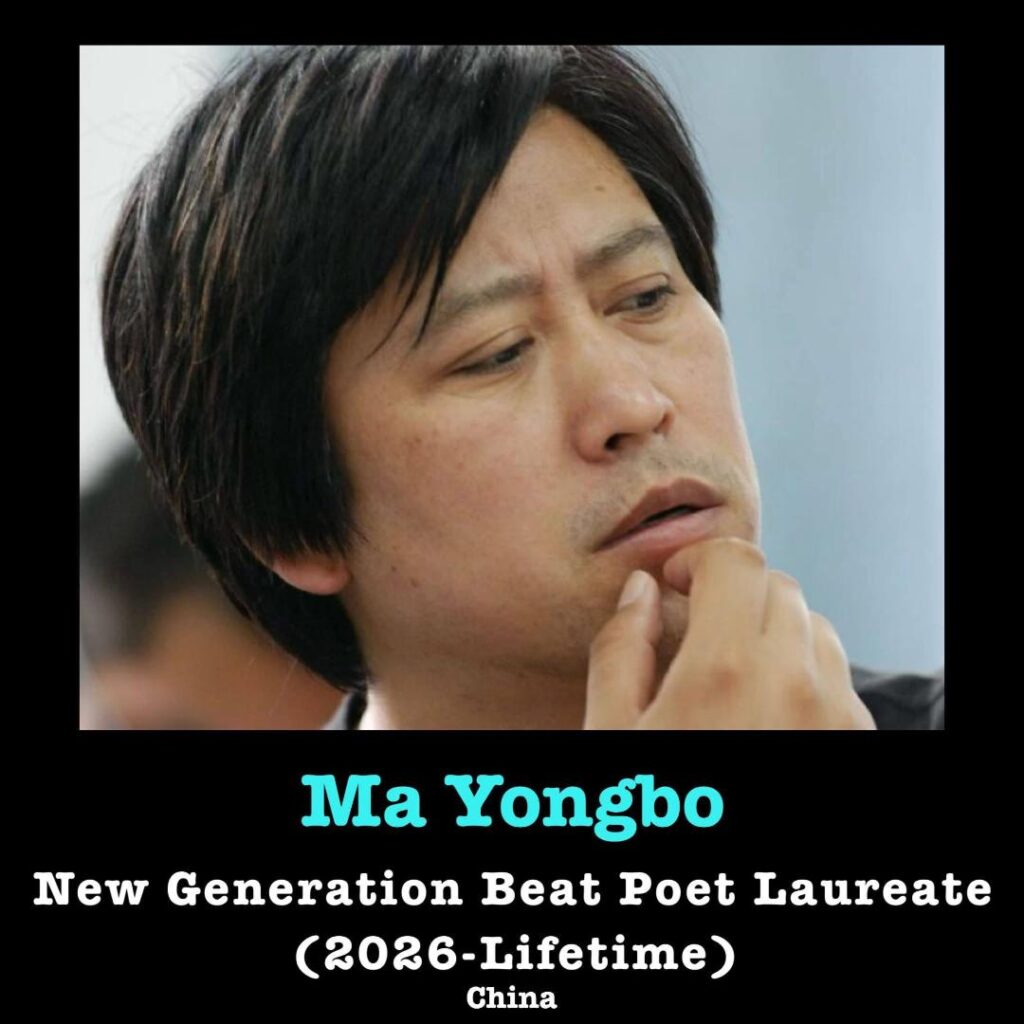
Ma Yongbo 马永波 awarded New Generation Beat Poet Laureate (2026 – Lifetime) China
https://nationalbeatpoetryfoundation.org/
“Ma Yongbo, with his extensive contributions to poetry over the decades and his generosity in translating many American and British poets into Chinese and helping others work reach around the globe, deserves recognition. As a scholar-translator he opened the door for Chinese readers to Western modernist and postmodernist poetry (including Beat-adjacent figures) while building a substantial original body of avant-garde work himself. It was my great pleasure to award Ma this Lifetime Beat Poet & Artist Award in 2026.”
Deborah Tosun Kilday
National Beat Poetry Foundation, Inc.
New Generation Beat Publications
BeatLife (Online Magazine)
12th August 2026
“While travelling on the old green train from Yimianpo to Hengdaohezi, I received news that the National Beat Poetry Foundation of the United States had conferred the title of Lifetime Poet Laureate on me. I wrote this poem out of emotion.” Ma Yongbo 马永波, 4th August 2026
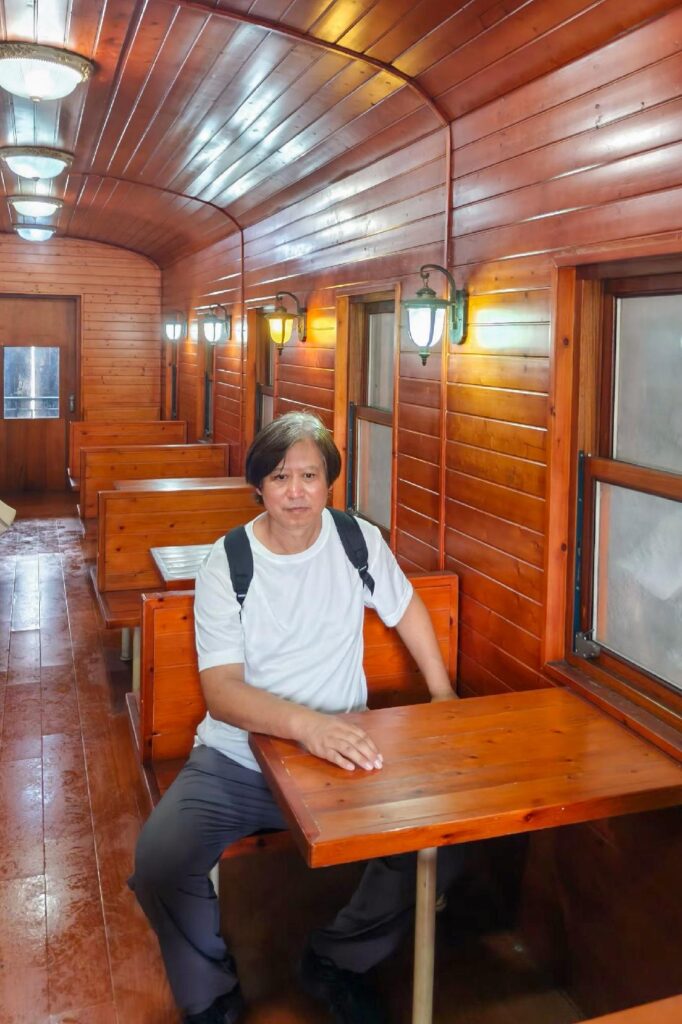
Ma Yongbo 马永波 , 4th August 2026, Hengdaohezi, China, Planet Earth, The Universe
Coal smoke drifts by the window for the long trip,
Tea stains soak the cup and stir old dreams.
The roar of pine trees by the window brings word of the new honour,
The train whistle passes through woods to form far‑reaching ties.
Moss grows thick on stone arches along the Silk Road,
Shadows of Russian‑built structures build a bridge between hearts.
This prestigious award is not valued for hollow renown,
I hope my literary devotion can strike a chord with others.
August 4, 2026, Morning
一面坡赴横道河子绿皮车上获悉被美国国家垮掉派诗歌基金会授予终身桂冠诗人称号,感而赋诗
煤烟熏窗赴远程,
茶垢沁杯摇旧梦。
松涛拍窗传新誉,
汽笛穿林结远盟。
石拱苔深连丝路,
俄楼影重架心桥。
殊荣岂为浮名重,
愿以文心寄共鸣。
20260804上午 马永波
Chinese poet Ma Yongbo 马永波 honoured with the title of Lifetime Poet Laureate by the Beat Poetry Foundation in the United States.
The National Beat Poetry Foundation (NBPF) in the United States recently announced its list of Beat Poets Laureate for 2026; Ma Yongbo is the only Chinese poet to receive this honour this year.
The NBPF is the only organisation worldwide with the legal authority to confer the title of “Beat Poet Laureate.” Eleven poets were named Beat Poets Laureate for 2026: Belinda Subraman (USA), Joe Kidd (USA), Nancy Mercado (USA), Ma Yongbo (China), Fadil Bajraj (Kosovo), John Burroughs (USA), Richard Modiano (USA), Ian J. MacKenzie (UK), PW Covington (USA), Prince A. McNally (USA), and Jared Morningstar (USA).
Ma Yongbo, who holds a doctorate in literature, currently teaches at the Nanjing University of Science and Technology. He is a representative figure of Chinese avant-garde poetry and a leading scholar of Anglo-American poetry. As a pioneer of polyphonic writing and objectivist poetics, he was the first to introduce Anglo-American postmodern poetry to the Chinese language—a contribution that filled a significant void; indeed, many postmodern poetic schools in China have been guided by his poetics and translations. Since 1986, he has published over 80 volumes of original works and translations, including nine poetry collections. He specialises in translating and teaching Anglo-American poetry and prose, covering the works of authors such as Dickinson, Whitman, Stevens, Pound, Amy Lowell, Williams, Ashbery, and Rosanna Warren.
The NBPF established the honorary title of “Beat Poet Laureate” in 2015 to recognise gifted literary creators. Such poets do not necessarily belong to mainstream poetry circles, nor are they bound by fixed writing styles or literary conventions; they write solely about subjects that hold personal significance, much like the original Beat writers who rejected conventional judgment and broke free from creative constraints.
As the most influential postmodern literary movement of the post-World War II era, the Beat Generation included key poets and writers such as Allen Ginsberg, Jack Kerouac, William S. Burroughs, Gary Snyder, Lawrence Ferlinghetti, Gregory Corso, Michael McClure, and Philip Whalen.
World-renowned figures who have been honoured with the title of “Beat Poet Laureate for Life” include Patti Smith, Bob Dylan, and Johnny Depp.
近日,美国国家垮掉派诗歌基金会(NBPF)2026年桂冠诗人名单揭晓,马永波成为本年度唯一荣获该荣誉奖项的中国诗人。
美国国家垮掉派诗歌基金会是全球唯一拥有“垮掉派桂冠诗人”称号授予合法权限的机构。此次荣获2026年度“垮掉派桂冠诗人”荣誉称号的诗人共有十一位,分别是贝琳达·苏布拉曼(美国)、乔·基德(美国)、南希·梅尔卡多(美国)、马永波(中国)、法迪尔·巴伊拉伊(科索沃)、约翰·巴勒斯(美国)、理查德·莫迪亚诺(美国)、伊恩·J·麦肯齐(英国)、PW·卡温顿(美国)、普林斯·A·麦克纳利(美国)、贾里德·莫宁斯塔(美国)。
马永波现任教于南京理工大学,文学博士,中国先锋诗歌代表人物,领先的英美诗歌学者。他是复调写作和客观化诗学的奠基者,也是第一个将英美后现代诗歌译介进汉语的翻译家,具有填补空白的贡献,汉语中诸种后现代诗歌流派多受其诗学与翻译的引领。从1986年起,他已出版原创与翻译著作80余卷,包括9部诗集。他专注于翻译和教授英美诗歌和散文,包括狄金森、惠特曼、史蒂文斯、庞德、艾米·洛厄尔、威廉斯、阿什贝利和罗桑娜·沃伦的作品。
美国国家垮掉派诗歌基金会“垮掉派桂冠诗人”荣誉称号于2015年正式设立,用以表彰富有天赋的文学创作者。这类诗人未必隶属于主流诗歌团体,也不拘泥于固定的写作风格与文体范式;他们只为书写对自身具备特殊意义的题材,如同初代垮掉派作家当年那样,拒绝承受世俗评判、挣脱创作压抑。
作为二战后最有影响力的后现代文学流派,垮掉派主要诗人与作家有艾伦·金斯堡、杰克·凯鲁亚克、威廉·巴勒斯、加里·斯奈德、劳伦斯·费林盖蒂、格雷戈里·科尔索、迈克尔·麦克卢尔、菲利普·惠伦等。
而享有垮掉派终身桂冠诗人称号的世界级名人有帕蒂·史密斯、鲍勃·迪伦、约翰尼·德普等。
Reports have been successively released by Phoenix Net 370,000 views, Chinese Poetry Website Official Platform, 5000 hits and Rednet, the official portal of Hunan Provincial People’s Government, 130,000 hits, regarding the 2026 Lifetime Beat Poet Laureate Award conferred by the National Beat Poetry Foundation. Ma Yongbo 马永波 is the sole Chinese poet to receive this honour this year.
ZSW.NEWS https://www.zsw.news/zhongshitoutiao/14995.html
Rednet https://moment.rednet.cn/content/646042/90/16158609.html
In 2024, Ma Yongbo 马永波 was interviewed by the American poet Pat Nolan for The New Black Bart Poetry Society Parole Blog:
‘Poet Ma Yongbo was born in 1964 in Heilongjiang Province, China. As a poet, he is representative of Chinese avant-garde poetry. He is also a leading scholar in Anglo-American postmodernist poetry. Since 1986 Ma has published over eighty original works and translations. He is a professor in the Faculty of Arts and Literature, Nanjing University of Science and Technology. His studies centre around Chinese and Western modern poetics, post-modern literature, and eco-criticism. His translations from English include works by Walt Whitman, Emily Dickinson, Ezra Pound, Wallace Stevens, William Carlos Williams, John Ashbery, Henry James, Herman Melville, and May Sarton among others. Notably one of Professor Ma’s early projects was the translation of Up Late, American Poetry Since 1970 (1987) edited by Andrei Codrescu.
What led you to specialise in US poetry?
Although I read a lot of American poetry during my university years—Longfellow, Dickinson, Whitman, and others—I don’t know why, despite recognising their greatness, they didn’t truly resonate with me at the time. Reading Dickinson made me feel stifled, as if I were trapped in a narrow berth on a ship; reading Whitman, on the other hand, left me overly excited, unable to sleep, so I read him less. It wasn’t until after I graduated from university, as I grew older, that I gradually began to understand them. Eventually, I even translated and studied their works, publishing two books of Dickinson translations: a bilingual poetry selection and a collection of her poems and writings. As for Whitman, I published a small poetry collection for children, which was just over 40 pages, and the most comprehensive collection of his prose currently available in Chinese. Some experiences only occur after reaching a certain age. Similarly, a deeper and more accurate understanding of certain poets only comes with age and the corresponding life experiences.
In 1985, Fredric Jameson came to China to give lectures, and his lecture notes were published in Chinese in 1986 under the title Postmodernism and Cultural Theory. This coincided with my university graduation. His book was quite popular in the reading circles of the 1980s. At that time, Chinese cultural and intellectual thought was still largely rooted in the Enlightenment tradition inherited from the May Fourth Movement, immersed in the admiration of modernity. But Jameson suddenly introduced a group of postmodern theorists like Foucault, Hassan and Lacan, bringing postmodern theory to the forefront. This book had an impact on me, but due to the scarcity of translations of postmodern works, especially poetry, in Chinese at that time, I could only get glimpses through the fragments quoted in theoretical articles. In the early 1990s, due to limited resources, it was difficult for me to obtain original English poetry collections. I need to photocopy them from libraries or had them mailed from the United States. A poetry friend from my university days, Gu Yifan, who was studying in the U.S., sent me The Collected Poems of W. H. Auden, an English Bible, and The Contemporary American Poets:American Poetry Since 1940 edited by Mark Strand. By the early 1990s, there were quite a few translations of postmodern theory and novels in China, but still no entire collections of postmodern poetry.
Starting in 1990, I began extensively reading and translating British and American poetry, along with some novels, and I’ve almost never stopped. It’s been about 35 years now, and I’ve published or I am awaiting the publication of around a hundred translations. Among those published relating to American poetry are The Contemporary American Poets:American Poetry Since 1940 (511 pages), The American Poetry Since 1950:Innovators and outsiders (744 pages), The American Poetry Since 1970:Up Late (717 pages), The Selected Poems and Letters of Emily Dickinson (395 pages), The Selected Poems and Essays of Ezra Pound (1218 pages), The Selected Poems and Prose of Wallace Stevens (407 pages), Paterson by William Carlos Williams (402 pages), Selected Poems of Amy Lowell (410 pages) and The Selected Poems of John Ashbery (a three-volume bilingual edition totalling 831 pages). Among these, I spent eight years translating Contemporary American Poets:American Poetry Since 1940 and The American Poetry Since 1970:Up Late, which were the first anthologies titled “Postmodern Poetry Selections” in Chinese. These anthologies are primary influences on postmodern Chinese poetry. Besides introducing these large anthologies in whole book-length, I have conducted specialised studies on several major American poets from modernism onward—Whitman, Dickinson, Stevens, Pound, Williams, Bishop, Ashbery, and others. Next year, I plan to translate Charles Olson.
Why am I so obsessed with American poetry? Initially, it was mainly out of curiosity. I wanted to understand what postmodern poetry was really like. It’s undeniable that America is the birthplace of postmodern poetry. As I delved deeper, I became drawn to the strong experimental spirit of contemporary American poetry, its broad absorption of experiences, and its tremendous vitality born from heterogeneous mixtures. Compared to the elegance and refinement of European poetry, I prefer the openness and inclusiveness of American poetry. It seems that anything can be written into a poem, as if Whitman’s democratic ideals have given birth to a truly diverse and unconstrained aesthetic community in American poetry—something I don’t see in Chinese poetry.’
Excerpt from ‘Introducing Ma Yongbo 马永波 interview by Pat Nolan’ first published, in full, by International Times
https://internationaltimes.it/ma-yongbo-poetry-road-trip-summer-tour-2025-volume-4/
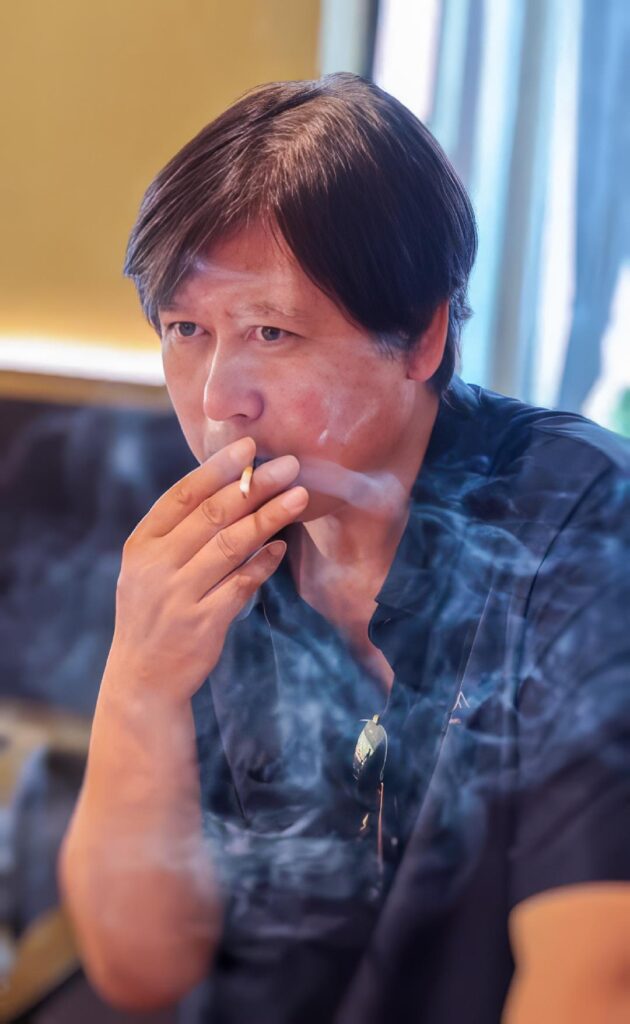
Ma Yongbo 马永波 7th June 2026, Nanjing, China, Planet Earth, The Universe
A Walk with the Spirit 亡灵的散步
I mourn for myself as I mourn for you
for I will live on like you, in awe of fate
I mourn for you, because I died when you died
so that I can always be your son
otherwise my increasing age will make you too young
(I only wish I could enjoy such a long life !)
Your death changed everything, or nothing
or only changed yourself
Death hollows out existence
parts the name from the flesh
like a blackened millet husk
in which a warm voice once echoed
(How insignificant existence and death are !)
In mourning you I am mourning for all the dead
they walk on the mountain in my heart, whispering
trying to find the cracks in my body to return to the world
But can you still come back? Cross the fence you set up
judge your unfilial son, and lead me into another brightness
Let me follow you, through the dark ancestral house,
snow light burning under the eaves, let the teams of paper horses
trot back to my childhood, the car rushes into the darkness
passing the lights, the false sleep, the words I created at this time
(How powerless they are, unable to reach your mysterious depths
When the sun rises, all these pieces of paper will turn pale !)
Let me follow you, my wife and son are already asleep
it’s time for me to escape from myself
I follow you. This well-travelled gravel road
looks different now. I follow you to the suburbs
like I did when I was little. But I dare not hold your hand
Since you left, all these streets and bell towers have changed
the sheet iron roofs of the county town often curl and burst open at night
Since you left, everything has changed, including us
like an old movie, suddenly re-entering my memory
and how dim this memory is, without sound
What I believed in, time, life, loyalty
you changed them, making everything suspicious
now the death we have experienced together is only a white orchard
the tired fruits on the high ground are like the garments of an old dynasty
the moonlight is bent and the hunch-backed birds are bent even more
drifting to where the leaves are concentrated
I wish to be carried by the birds
through the familiar street scenes, they are like things left behind
by someone departing in haste, rigid and cold
you have lived and loved in them
now without you, they are shabby
these lips that have been dehydrated for a long time have turned black
I follow you. The lights in the market are burning
the crowd blooms early
we suddenly enter the bright wind
raising our hands backwards and upwards, how much it resembles flying
we break away from the stale gravity, the water flows in the dark
I lower my head, dare not look at your face
is this real, or am I dreaming?
This autumn I often lose myself
sitting by the water, watching the wind blow away the village of swans
I wish I could see myself, because I want to forget you
I wonder if you care about all these things
they change slightly, the mirror has a demonic atmosphere at night
you once stared into my eyes
now your eyes see nothing but emptiness
and the one autumn, I stored my tears in the bean pods
hid your photos, and then tried hard to recall your appearance
I’m still wearing your sweater, the cuffs are worn
our body warmth mingled with the colourful dust of our days
On a sunny day I pat them
they fly for a while, before returning to their original place
I want to forget all these, forget your death
so that you can come back and rearrange our lives
among these tables, chairs, porches, and seeds
Your existence was ground into a hollow husk
your image gently slipped through us, trying in vain to catch something
Since you left, I have often woken up with a start in the night
reached out my hand, but only hugged the cold iron quilt
You left alone, no-one to accompany you
I feel shame, I fell in love with someone else
when I was a child, I often fancied that I had another father
he appeared in a war movie, carrying an old gun
I looked up at him in the garden, behind me
a bell tower stood out in the dark with a silver helmet
I feel ashamed. Now I follow you, through our bleak life
When I was seven I went to the movies for the first time
the snowdrifts by the roadside appeared to be burning
A mediocre film left me with my mouth open wide
while power failure brought total darkness in the cinema
I entered the plot, with my mouth filled with cold darkness
Later I ran home with my elder brothers, laughing and shouting
you were striding behind us
I had no idea what life was then
I wept and told you not to split the wet wood
you stopped obediently and walked off to smoke
the falling snow made me choke in my throat
We had a nice yard at that time
you used to spend a whole day cutting up firewood
making pickled vegetables, taking potatoes to the cellar
the sky was always sunny, my hands were always stuck to the doorknob
Later on I developed a low fever and dizziness
weird animals crowded our house but kept silent
when the fever subsided, my childhood was over
now I follow you. But who are you?
The sharp tweet of a bird, knocks at the distance like a stone
in the past, you were the only truth, but now you have changed too
Things before my very eyes are mixed up, I start to flow
Can you appear again with a warm fruit held in your palm?
Let me follow you, see through my hypocritical life in an instant
the houses we have passed by were cold and empty
like specimens with their internal organs washed out by rainfall
showing how their bodies were tossed and turned, for love and hatred
now they fall asleep leaning against a blank wall
like chairs waiting for someone to return
Now I lower my head, to get closer to my heart
I don’t know how to explain to you
since you left, we have not been able to keep our old house
elder sister rarely writes to me, I have my own son
our road continues in him, I often think of him as you
I want to remind you that the day you left was my birthday
Was this arranged deliberately?
You walk faster. The moonlight bends more violently
From the dense ferns there are calls of “No,No!”
Pears and crows float on the blind pond
Don’t leave me in this way, father
you haven’t taught me anything yet
you haven’t shown me the way back
I haven’t got enough wisdom
to learn how to hide myself and to live only inside my heart
I haven’t time to join the animals before winter comes
among blue foxes and red wolves
to touch the silent tongues of ants
find the shining living water in the leopard’s toe pad
and let them slowly pass through my life, calmly and steadily
Tell me if I have to repeat your fate
in which body can we be together again
as close as two raindrops, two roses
You’ve passed by. I suddenly realise
if I step out of my skin, I will fly up
towards the starlight, in the direction you disappeared
flying, flying, leaving everything behind
20 December 1990
Written and translated by Ma Yongbo 马永波
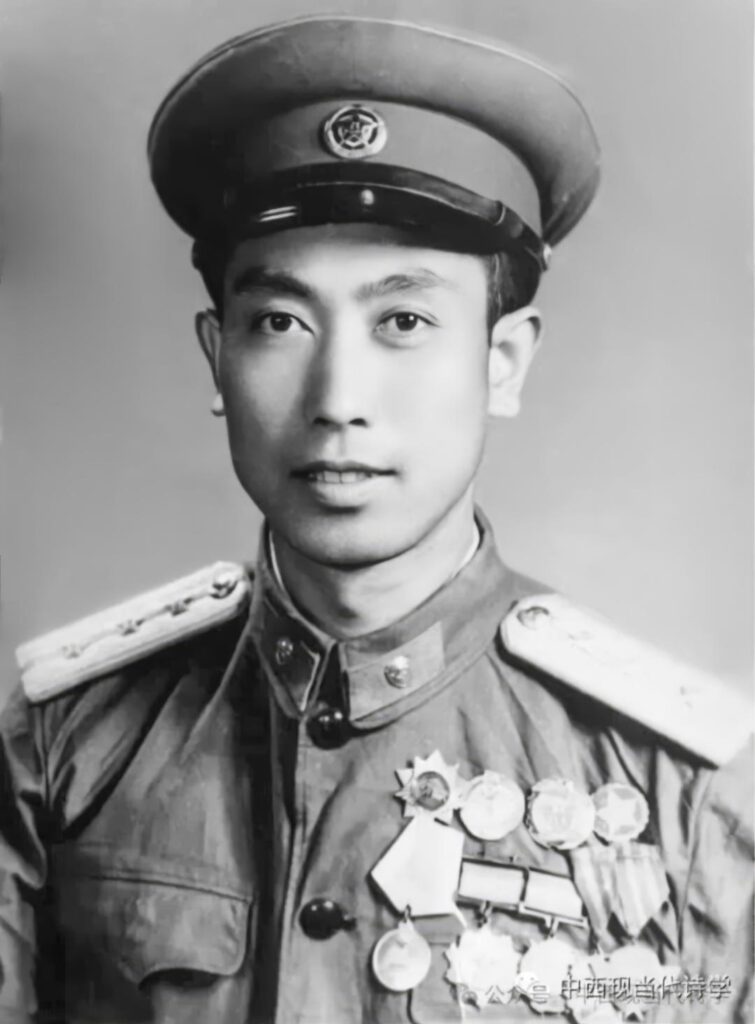
Ma Yongbo’s 马永波 dear father Ma Xianheng 马显恒, Yichun, Northern China, Planet Earth, The Universe
亡灵的散步 A Walk with the Spirit
我悼念你也就是悼念自己的死亡
为了我将像你一样地生活,畏惧着命运
我悼念你因为在你死时我也死了
为了我永远能做你的儿子
否则增长的年龄会让你过于年轻
(但愿我能享到如此天年!)
你的死改变了一切,或者没有
或者仅仅改变了你自己
死亡掏空了存在
使名字脱离肉体成为发黑的粟壳
温暖的声音曾在其中回响
(存在与死亡多么微不足道!)
我悼念你就是悼念所有的死者
他们在我内心的山上漫步,低语
试图找到我身体的裂缝以回到人世
可你是否还能够回来,越过你亲手设置的栅栏
把你不孝的儿子审判,把我带入另一重光明
让我跟随你,穿过阴暗的祖宅,檐下燃烧的雪光
让一队队纸马嗒嗒跑回童年,车子向漆黑急驶
经过灯光,虚伪的睡眠,我此时营造的文字
(它多么无力,触不到你隐秘的深处
太阳升起,这些纸片都会苍白!)
让我跟随你,我的妻儿都已睡熟
正是我逃离自己的时光
我跟随着你。这条常走的碎石小路
此刻显得不同。我随你走向郊外
像小时一样。可我不敢拉住你的手
自你走后,这些街道、钟楼都已改变
县城的铁皮屋顶常常在夜里卷曲,爆裂
自你走后,一切都变了,包括我们
像一部旧电影,突然进入了回忆
而这回忆又是多么暗淡,没有声音
我曾相信过什么,时间、生活、忠实
你改变了它们,使一切显得可疑
如今我们共同经历过的死亡,只有白色的果园
高处疲倦的果实像一件旧朝的衣裳
坠弯了月光,那些驼背的鸟被折得更弯
飘向叶子集中的地方
我希望被鸟儿携带
穿过熟悉的街景,它们像一个人离去时
来不及带走的东西,生硬,寒冷
你在其中活过,爱过
如今没有了你,它们破旧不堪
长久失水的嘴唇,变得乌黑
我跟随着你。市场上的灯亮了
人群提前开花
我们突然进入了明亮的风中
向后向上,举起双手,这多么像飞翔
挣脱陈腐的引力,水在暗中流着
我低着头,不敢看你的脸
这一切是否真实,抑或是我在做梦
这个秋天我常常丢失自己
坐在水边,看风吹走天鹅的村庄
我希望能看见自己
因为我想把你忘记
我不知道你是否看重这一切
它们微微改变,镜子到夜里都带着妖氛
你曾经凝视过我的眼睛
如今只看见虚空
而一个秋天,我在豆荚里储存眼泪
藏起你的照片,再费力地回想你的模样
我还穿着你的毛衣,袖口已经磨损
我们的体温交织在一起
还有日子细小杂色的灰尘
在一个晴天我拍打它们
它们飞了一会儿,又回到了原处
我想忘记这一切,忘记你的死亡
这样你就可以回来,重新安排我们的生活
在这些桌椅、门廊、种籽之间
你的存在被磨成空壳,而你的影像
从我们中间轻轻地滑过,试图抓住什么
在你走后的这些日子,我常常在夜里惊醒
伸出手,却只拥抱到冰寒如铁的被子
你是一个人走的,无人陪伴
我感到羞愧。我爱上了另外的人
小时候我常常幻想有另外一个父亲
他在一部打仗的片子里出现,带着一枝老枪
我站在花园里仰望着他,背后
钟楼戴着银盔矗立在黑暗中
我感到羞愧。现在我跟随你
经过我们暗淡的生活
七岁时我第一次去看电影
路旁的雪堆仿佛在燃烧
一部平庸的片子让我张大了嘴
中间停电了,剧场一片漆黑
我进入了情节,嘴里塞满冰凉的黑暗
后来我和哥哥们跑着回家,笑着,嚷着
你在后面迈着大步
那时我不知道生命是什么
我哭着不许你劈开那些潮湿的木柴
你顺从地停下手,走到雪地里抽烟
而一场雪让我喉头哽咽
那时我们有一座不错的院子
你用一整天劈开木头,腌菜,把土豆下到窖里
那时天总是很晴,我的手总是被门把手粘住
后来我开始低烧,晕眩
古怪的动物挤满我们的屋子却不做声
等烧退了童年也结束了
现在我跟随你。可你是谁
一只鸟尖叫,如石子叩问着远处
过去惟有你是真实的,如今你也变了
我的眼前事物纷纭,我也会突然流动起来
你能否再度出现,一枚温润的果子托在手中
让我跟随你,一瞬间看透自己虚伪的生活
我们经过的屋子人迹寒冷,店铺空空荡荡
像被雨淘空内脏的标本,显示出
怎样的躯体辗转过,因为爱与恨
如今他们倚着虚空的墙入睡,像静候归人的椅子
现在我低下头,以接近自己的心
我不知道如何对你说明
自你走后,那所旧宅我们没能留住
姐姐很少来信。我也有了儿子
一条路在他身上延续,我常常会把他当成你
我想提醒你,你走的那天正是我的生日
这是不是一种刻意的安排
你走得更快。月光更剧烈地弯过去
那里密集的蕨类叫着,“不要”
盲目的池塘漂着梨子和乌鸦
不要这样离开,父亲
你还什么也没有教给我
没有指给我回去的路途
我还没有足够的智慧
学会隐藏自己,只在内心生活
我还来不及在冬天到来之前
去到动物们中间,蓝狐和红狼中间
触摸蚂蚁沉默的舌头
在豹子的趾垫中找到发亮的活水
让它们缓缓穿过我的生命,沉稳,镇定
告诉我,我是否还要重复你的命运
在哪一个躯体中,我们能重新在一起
亲密得像两滴雨,两朵玫瑰
你过去了。我突然醒悟
如果我跨出皮肤,我就会飞起
向着星光,你消失的方向
飞翔飞翔,把一切留在身后
1990年12月20日 马永波
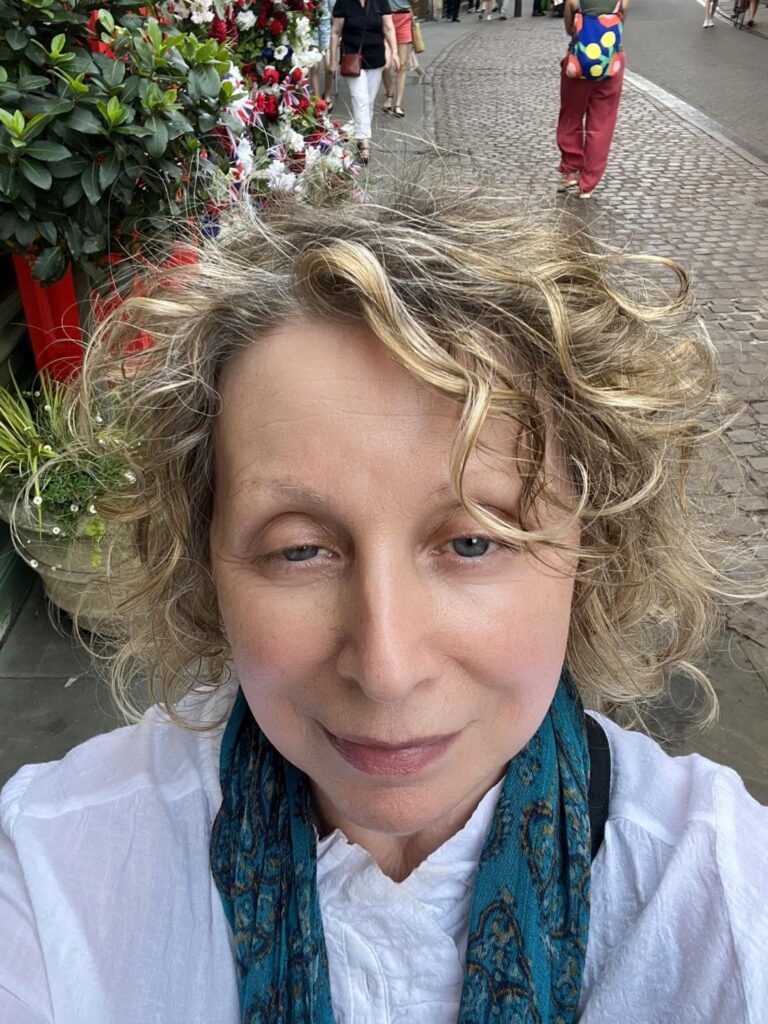
Helen Pletts 海伦·普莱茨 , 19th June 2025, Cambridge, UK, Planet Earth, The Universe
Helen’s poetry has been longlisted for the National Poetry Competition (2022), shortlisted five times for the Bridport Poetry Prize (2018, 2019, 2022, 2023, 2024), longlisted twice for The Rialto Nature & Place Prize (2018, 2022), longlisted for the Ginkgo Prize (2019), awarded 2nd Prize in the Plaza Prose Poetry Competition (2022-23), and shortlisted for the Plaza Prose Poetry Competition (2023-24).
In July 2026 she was awarded the Hong Kong Literature and Arts Award, an accolade of extraordinary excellence in literary creation, artistic expression and cultural communication by Hong Kong Literature Magazine, for her poetry in translation by Ma Yongbo.
Translations of her prose poetry by Ma Yongbo opened the 35th Anniversary Edition of New World Poetry — devoted entirely to Prose Poetry — in December 2024.
Her eco-poetry appears in anthologies ‘Elemental: Water, 2025’ from Worple Press and ‘Planet In Peril, 2019’, Fly on the Wall Press, and her work is widely published internationally.
Ma Yongbo is her official Chinese Translator and Helen Pletts is his official co-translator—together they share a deep and meaningful understanding.
It is their dream to launch their first, long awaited bi-lingual book ‘Night-Shining White’ published by Experiments In Fiction, Editor Ingrid Wilson, side by side in Cambridge, in October 2026 because this year Ma Yongbo 马永波 has been invited to the UK to attend the Cambridge Poetry Festival.
https://www.cambridgepoetryfestival.org/events
海伦·普莱茨
海伦·普莱茨是中国诗人马永波诗歌的英文合作译者,CB1诗歌协会的委员会成员,这是英国剑桥市中心一项历史悠久的每月诗歌朗诵活动。海伦的作品已被译为汉语、孟加拉语、希腊语、越南语、塞尔维亚语、韩语、阿拉伯语、意大利语、阿尔巴尼亚语和罗马尼亚语。海伦与马永波共同创作了正在进行的“马永波诗歌公路之旅 – 2025 年夏”系列档案,2025年5月10日起由《国际时报》发表。
普莱茨五度入选布里德波特诗歌奖短名单(2018、2019、2022、2023、2024),两度入选《里亚尔托》自然与地方诗歌奖长名单(2018、2022),一次入选银杏生态诗歌奖长名单(2019)、一次入选国家诗歌大赛长名单(2022),获广场散文诗大赛亚军(2022-23)并再度入选该奖项短名单(2023-24)。
她出版的三部诗集包括与罗米特·伯杰合作的插图诗集《你的眼睛守护着软趾雪花莲》(2022年,ISBN 978-9-657-68177-0,伽马诗歌),以及由青年作家组织/传奇出版社在艺术委员会资助下出版的两部早期诗集《瓶子银行》(2008年,ISBN
978-1-84923-119-0)与《致训诫之鸽》(2009年,ISBN 978-1-84923-485-6)。其获奖散文诗收录于《广场奖选集》和《麦基诺》杂志,生态诗歌见于“沃普尔”出版社、“打开快门”出版社与“墙头蝇”出版社的选集。作品广泛发表于《国际时报》《民众之声》《墨汗泪》《美学》《奥比斯》《麦基诺》
《述画评论》《剑桥诗刊》《沼地芦苇》《湖上诗刊》《信德信使》《欧洲诗歌》《诗虚拟》《魔幻出版》《原始传说》《德胡萨》《诗界》《理念的圣痕》《菲利克斯领域》《韩国联合新闻网》《美国咀嚼者》《跨国文学》《文字匠》《今日亚历山德拉》《全球国家日报》等国际期刊。中文译本由马永波发表在《新大陆诗刊》《文学天地》《散文诗》《白银》《诗参考》《北斗国际诗坛》《文字禅》《诗歌风赏》等期刊。
the moon ever fainter yet silver resolute—for Yongbo
月色渐淡,银光坚定 —— 赠永波
in reply to ‘A Walk With The Spirit’
—— 答《亡灵的散步》
her incomplete circle wanting to be a part of this dream
without footsteps, without two pairs of hands continuously shining
like red-bewildered fixed iron lanterns in the harshness of day
under the canopy of up-turned Harbin skies,
one voice in the whole and widest opening void
and their toe pads gently printing the blanking page
in between the fine black feet of ants
their bright tongues moving the moon before us,
the moon as the moonlight running fuel of blue foxes,
and the red wolves’ tails standing upright, red-flaring
on the forest-edge of all our disappearing
10th August 2026
I haven’t time to join the animals before winter comes
among blue foxes and red wolves
to touch the silent tongues of ants
find the shining living water in the leopard’s toe pad
—Excerpt from ‘A Walk With The Spirit’ by Ma Yongbo 马永波
Response Poetry by Helen Pletts 海伦·普莱茨
Response Poetry Translated by Ma Yongbo 马永波
月色渐淡,银光坚定 —— 赠永波
the moon ever fainter yet silver resolute—for Yongbo
—— 答《亡灵的散步》
in reply to ‘A Walk With The Spirit’
残缺的月轮,想要融入这场梦
没有脚步,没有两双手持续闪耀
如同白昼冷光里困惑静止的红色铁灯
哈尔滨翻卷的天幕之下,
辽阔至极的空旷之中,只有一道声音
它们的趾垫轻轻印在变白的纸页上
在蚂蚁纤细的黑足之间
明亮的舌头推送着我们前面的月亮
月光是蓝狐们奔走的动力
红狼竖起尾巴,燃起赤色火光
在属于我们的一切慢慢消逝的林边
2026 年 8 月 10 日
“我还来不及在冬天到来之前
去到动物们中间,蓝狐和红狼中间
触摸蚂蚁沉默的舌头
在豹子的趾垫中找到发亮的活水”
——马永波《亡灵的散步》片段

Ma Yongbo 马永波 June 29th 2024, standing in front of his 80+ books of poetry and translated works, from English to Chinese, that Helen Pletts named his ‘sweet stall’, at the Lao Ma Poetry Journey, a celebratory event marking his 40 year poetic life.
Ma Yongbo is a poet of snow, shadows, and absences. His poems have committed the bodies of his parents and his elder brother to ceremonial flames, and explore, over and over, scenes from a long-lost childhood. “Break free from the cloud shadows in your heart,” he commands, while another poem admonishes, “nothing can hurt you,/ you are already dead.” He makes room for the uncanny, and seeks essence. Rosanna Warren
马永波是一位书写雪、影子与虚无的诗人。他的诗歌将父母与兄长的躯体献祭给仪式之火,反复探寻早已消逝的童年场景。他在诗中发出指令,“挣脱内心的片片云影”,而另一首诗却警示道:“没有什么能伤害你,/你已经死了。”他为诡谲留出空间,并探寻本质。(罗桑娜·沃伦)
Ma Yongbo was born in 1964, Ph.D, representative of Chinese avant-garde poetry, and a leading scholar in Anglo-American poetry. He is the founder of Difficult writing and objectified poetics. He is also the first translator to introduce British and American postmodern poetry into Chinese, focussing on translating and teaching Anglo-American poetry and prose including the work of Dickinson, Whitman, Stevens, Pound, Amy Lowell, Williams, Ashbery, Rosanna Warren and Gizzi.
He has published over eighty original works and translations since 1986 including 9 poetry collections. Ma Yongbo’s complete Chinese translation of Moby Dick has sold over 600,000 copies.
The Collected Poems of Ma Yongbo (four volumes, Eastern Publishing Centre, 2024) comprising 1178 poems, celebrate 40 years of writing poetry. He teaches at Nanjing University of Science and Technology.
In August 2026 he received the American poetry award: New Generation Beat Poet Laureate (2026-lifetime) China, from The National Beat Poetry Foundation (NBPF) in the United States.
In July 2026, at the 6th Silk Road International Poetry Festival, he received the Egyptian Arab Oscar Poetry Award, the festival’s highest honour, and the Silk Road International Poets Federation Laureate Poet Award.
His work is widely published in international journals such as New American Writing,Livemag, Cafe Review, International Times, Vox Populi, Ink Sweat and Tears, Orbis, Cambridge Poetry, Polismagazino, Masticadoresusa,Masticadorescanada, masticadorestaiwan, Feed the Holy,Collaborature,European Poetry, Magique Publishing, Primelore, Verseum Literary, Area Felix,ONE, Sindh Courier,Lingo Lexicon,Worldinkers,Avantappalachia,Madswirl,Allyourpoems,Homouniversalisgr,100subtextsmagazine,Pandemoniumjournal,Cultural Reverence,Rochford Street Review,Synchchaos,Ezra,Autumn Sky Poetry Daily,Nuthatchmag,Posit,Yumpu,Our Poetry Archive,Subliminal.surgery,The Raft of Dreams Literary Magazine, Atunis,Insightmagazine,Lothlorien Poetry Journal,Acheron,Gorkogazette,A Too Powerful Word,Chiron Review,Gas,Chewers,Latinosenglishedition, Medusaskitchen,Beatnikcowboy,Dear O Deer!,The Wordsmith Literary E-Magazine , New Black Bart Poetry Society, Edge of Humanity,Liveencounters,Big Other, Live Nude Poems, Kabita Live, Silverbirchpress, The Aleph Review, Home Planet News, Madswirl, Poemalone, Unlikely Stories Six,Tap into Poetry,Circle of Salt, Semiosis, Zeroesgarden, Durgapur Review,Silver Birch Press, Almanarjournal, etc.
His poetry in English translation appears in the anthology ‘Elemental: Water, 2025’, Worple Press.
马永波出生于1964年,文学博士,中国先锋诗歌代表人物,领先的英美诗歌学者。他是难度写作和客观化诗学的奠基者,也是第一个将英美后现代诗歌译介进汉语的翻译家。
从1986年起,他已出版原创与翻译著作80余卷,包括9部诗集。他专注于翻译和教授英美诗歌和散文,包括狄金森、惠特曼、史蒂文斯、庞德、艾米·洛厄尔、威廉斯、阿什贝利和罗桑娜·沃伦的作品。他出版了《白鲸》的全译本,销量已超过60万册。他任教于南京理工大学。《马永波诗歌总集》(四卷本,东方出版中心,2024年)共收录1178首诗,庆祝他诗学探索40周年。
2026 年 8 月,他获美国国家垮掉派诗歌基金会(NBPF)颁发美国诗歌奖项:新一代垮掉派终身桂冠诗人(2026— 终身)。
在第六届丝路国际诗歌节上,他斩获该诗歌节最高荣誉 —— 埃及阿拉伯奥斯卡诗歌奖,同时获丝路国际诗人联合会桂冠诗人奖。
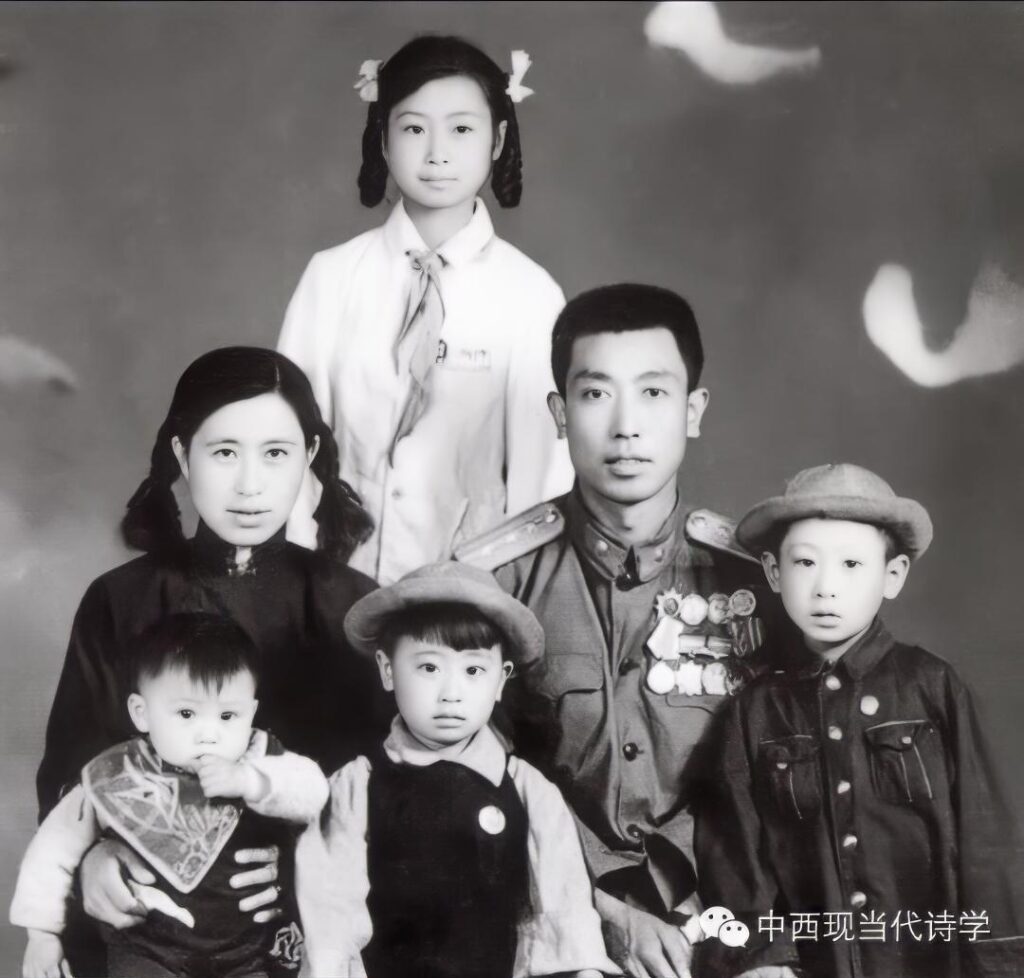
Ma Yongbo’s 马永波 dear family—his Older Sister, Ma Xiuqin 马秀琴 standing at the back, in front of her are his mother Gao Shuzhen 高淑珍 and his father Ma Xianheng 马显恒. Front row: Ma Yongbo 马永波 is sitting on his mother’s knee, his brothers—second brother, Ma Yonggang 马永刚 and big brother, Ma Yongping 与永平.
“The year that I had a new son, my father died on my birthday, I was 26. My mother died when I was 32”. Ma Yongbo 马永波 in conversation with Helen Pletts on WhatsApp 2026.
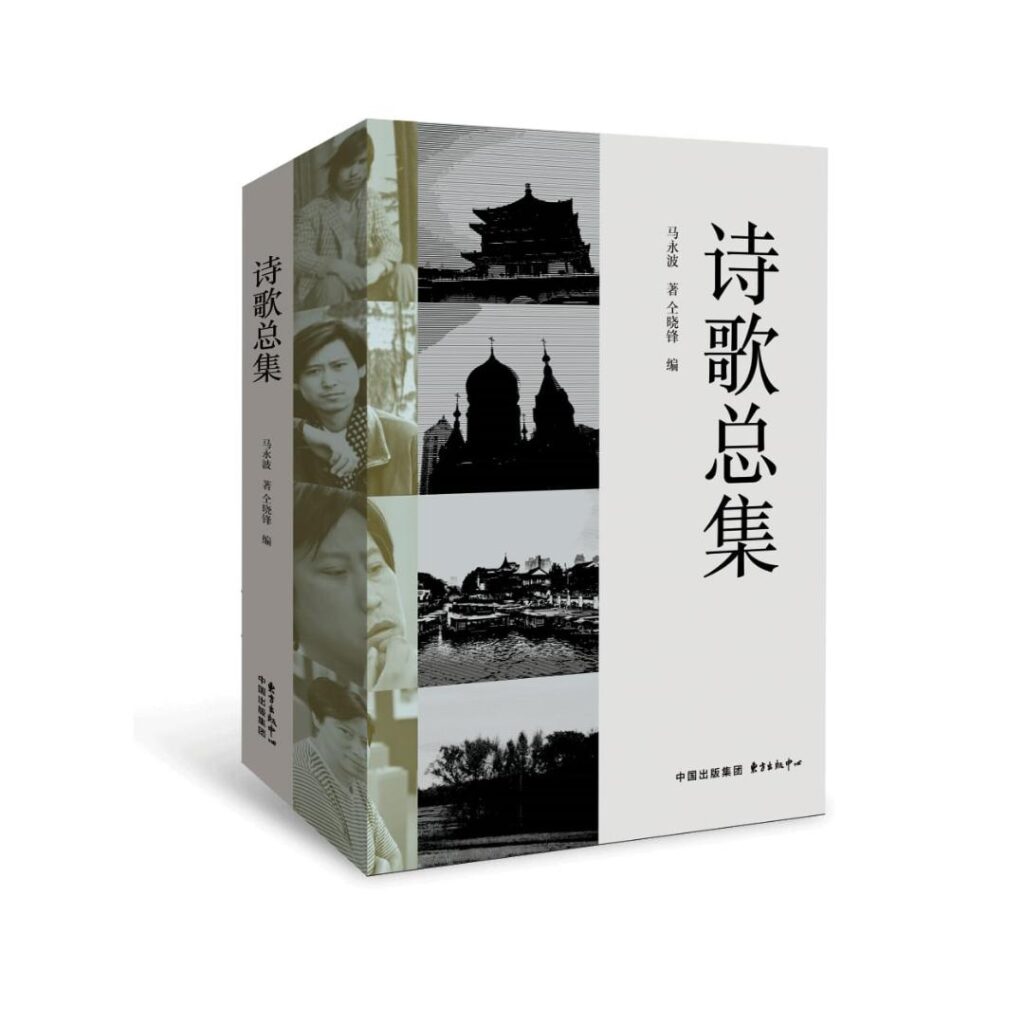
The Collected Poems of Ma Yongbo 马永波 (four volumes, Eastern Publishing Centre, 2024) comprising 1178 poems, celebrate 40 years of writing poetry, from 1983-2024.
“I was trying to work out how anyone produces this amount of poetry—while also working full time. I should think he has written well over 2000 poems in total as this collection was also edited—I have come to the conclusion that Ma Yongbo 马永波 writes to exist. And then you have to add in all the translations and that is where the word superhuman comes to mind. The complicated American greats like Ashbery, Stevens, the whole of ‘Moby Dick’…I rest my case.”
Helen Pletts 海伦·普莱茨 14th August 2026.
All images and poetry under individual copyright © to Ma Yongbo 马永波 and Helen Pletts 海伦·普莱茨
.