
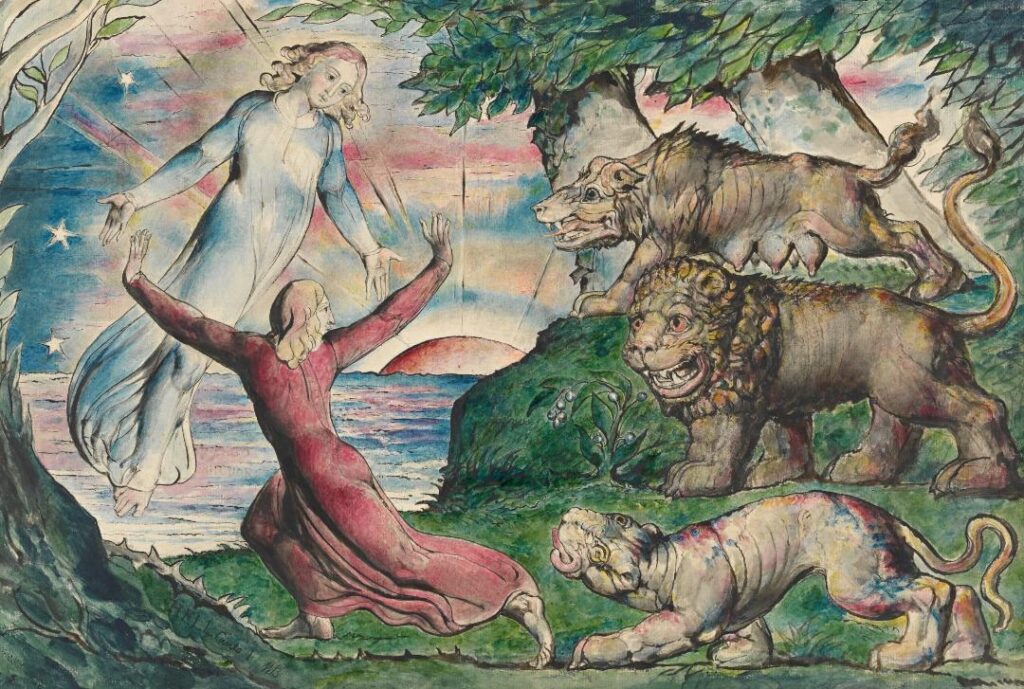
Dante running from the Three Beasts 1824-7, watercolour by William Blake (1757-1827)
© National Gallery of Victoria, Melbourne, Australia
https://www.tate.org.uk/art/artists/william-blake-39/blake-illustrations-dante
The Divine Comedy opens with Dante lost in a dark wood in a fearful valley. Finally he sees a hill on which the sun is shining, and his heart fills with hope. But as he starts his climb, he is confronted by three beasts.
First comes a leopard, that, while not really frightening him, does block his path. Then comes a ferocious, ravenous lion followed by a she-wolf. Dante is terrified and is losing all hope of climbing the hill when a man appears. It is Virgil, the Roman epic poet. He has been sent by Beatrice (the woman Dante loved and who inspired him to write) to lead him on a journey of discovery through Hell, Purgatory and Paradise.
In 1824, Blake’s friend the artist John Linnell, commissioned him to make a series of illustrations based on Dante’s Divine Comedy. Blake was then in his late sixties. A contemporary account informs us that he designed 100 watercolours of this subject ‘during a fortnight’s illness in bed.’
Teaching Dante’s Divine Comedy on Halloween Night
万圣节之夜的但丁课
There is no stir on campus
beneath the heads floating in the dark sky
one can always find a small body
students stay obediently in the classroom
waiting for the cold to deepen, they will go farther
beyond the flames where my eyes can no longer reach
Satan steps on the mountain, leaning on his spear in thought
his comrades are silent in the leeward spot
candles flicker on feet planted headfirst
for lovers who share hell together
hell is heaven—what are whirlwinds, hailstones,
showers of fire, boiling oil, and pitch but as nothing?
a boat sinks into the uninhabited realm after sunset
the swiftly calming vortex is the final word
Everyone has their own Virgil, but who is Dante,
Beatrice returns to the Rose of the Eternal
a flash of lightning, the universe slowly closes like a great book
The old teacher ending class tilts his shoulder
rain falls into the depths of darkness; he muses silently
a carpenter’s son far away in a foreign land
what does his death have to do with me?
he knows it is the devil speaking behind him
he will find his home on the forever-cold moon
no longer trembling, shrinking into a small patch of shadow
October 31, 2016
Response Poetry By Ma Yongbo 马永波
Response Poetry Translated by Ma Yongbo 马永波
万圣节之夜的但丁课
Teaching Dante’s Divine Comedy on Halloween Night
校园里不见有什么动静
浮在暗空中的脑袋下面
总可以找到一个小身体
学生们老老实实呆在教室里
等待寒冷加深,他们会走的更远
远到我目力所不及的火焰之外
撒旦脚踏大山,拄着长矛沉思
他的战友们都在背风处沉默不语
倒栽葱的脚板上烛火颤动
共同拥有地狱的情侣
地狱就是天堂,旋风,冰雹
火雨,滚油和沥青,又算得什么
小船沉没在落日后的无人之境
迅速平复的漩涡是最后的话语
每个人都有自己的维吉尔
可谁又是但丁,贝亚德丽采
归入永恒者的玫瑰,电光一闪
宇宙如一本大书缓缓合上
下课的老教师斜起肩膀
雨落向黑暗深处,他暗自思忖
一个远在异国的木匠之子
他的死和我又能有什么关系
他知道这是魔鬼在身后说话
他将在永远寒冷的月亮上找到归宿
不再发抖,缩成一小块阴影
2016.10.31 马永波
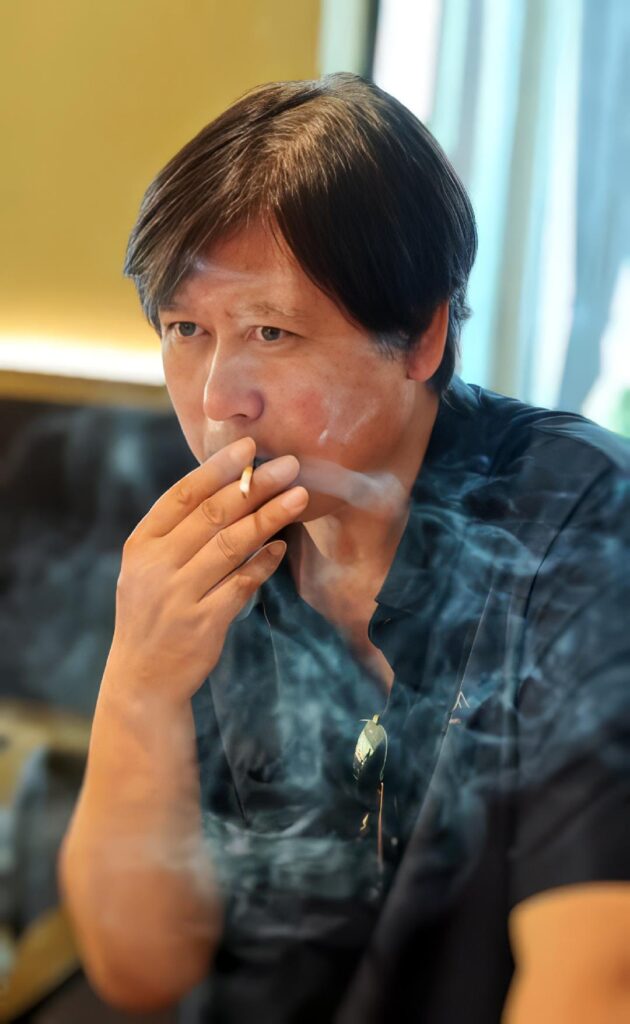
Ma Yongbo 马永波 7th June 2026, Nanjing, China, Planet Earth, The Universe
Ma Yongbo 马永波 was born in 1964, Ph.D, representative of Chinese avant-garde poetry, and a leading scholar in Anglo-American poetry. He is the founder of Difficult writing and objectified poetics. He is also the first translator to introduce British and American postmodern poetry into Chinese.
He has published over eighty original works and translations since 1986 included 9 poetry collections.He focused on translating and teaching Anglo-American poetry and prose including the work of Dickinson, Whitman, Stevens, Pound, Amy Lowell,Williams, Ashbery and Rosanna Warren. He published a complete translation of Moby Dick, which has sold over 600,000 copies. He teaches at Nanjing University of Science and Technology. The Collected Poems of Ma Yongbo (four volumes, Eastern Publishing Centre, 2024) comprising 1178 poems, celebrate 40 years of writing poetry.
His work is widely published in international journals such as New American Writing,Livemag, Cafe Review, International Times, Vox Populi, Ink Sweat and Tears, Orbis, Cambridge Poetry, Polismagazino, Masticadoresusa,Masticadorescanada, masticadorestaiwan, Feed the Holy,Collaborature,European Poetry, Magique Publishing, Primelore, Verseum Literary, Area Felix,ONE, Sindh Courier,Lingo Lexicon,Worldinkers,Avantappalachia,Madswirl,Allyourpoems,Homouniversalisgr,100subtextsmagazine,Pandemoniumjournal,Cultural Reverence,Rochford Street Review,Synchchaos,Ezra,Autumn Sky Poetry Daily,Nuthatchmag,Posit,Yumpu,Our Poetry Archive,Subliminal.surgery,The Raft of Dreams Literary Magazine, Atunis,Insightmagazine,Lothlorien Poetry Journal,Acheron,Gorkogazette,A Too Powerful Word,Chiron Review,Gas,Chewers,Latinosenglishedition, Medusaskitchen,Beatnikcowboy,Dear O Deer!,The Wordsmith Literary E-Magazine , New Black Bart Poetry Society, Edge of Humanity,Liveencounters,Big Other, Live Nude Poems, Kabita Live, Silverbirchpress, The Aleph Review, Home Planet News, Madswirl, Poemalone, Unlikely Stories Six,Tap into Poetry,Circle of Salt, Semiosis, Zeroesgarden, Durgapur Review,Silver Birch Press, Almanarjournal, etc.
马永波出生于1964年,文学博士,中国先锋诗歌代表人物,领先的英美诗歌学者。他是难度写作和客观化诗学的奠基者,也是第一个将英美后现代诗歌译介进汉语的翻译家。
从1986年起,他已出版原创与翻译著作80余卷,包括9部诗集。他专注于翻译和教授英美诗歌和散文,包括狄金森、惠特曼、史蒂文斯、庞德、艾米·洛厄尔、威廉斯、阿什贝利和罗桑娜·沃伦的作品。他出版了《白鲸》的全译本,销量已超过60万册。他任教于南京理工大学。《马永波诗歌总集》(四卷本,东方出版中心,2024年)共收录1178首诗,庆祝他诗学探索40周年。
‘Yongbo 永波 and I became very excited because Irma Kurti was translating our poetry into Italian for ‘Saturno Magazine’ and also translating a two part interview of me for the Italian newspaper, ‘Oceano News Magazine’.
To celebrate this he said ‘Helen, I have a poem on teaching Dante. Do you have any Italian themed poems?’
I visited Rome with my family, about 20 years ago. After an evening meal, we walked around inside the Pantheon late one night and I just stood there looking up into the stars’. Helen Pletts 海伦·普莱茨, 6th June 2026
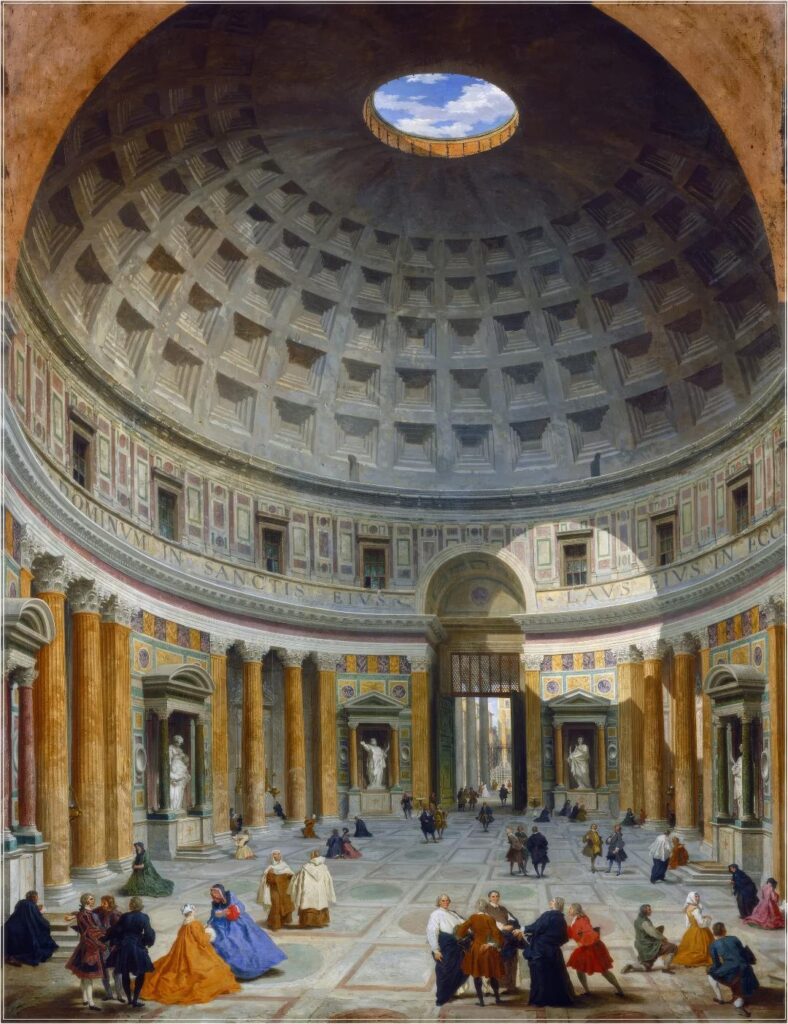
Interior of the Pantheon, Rome c. 1734 Giovanni Paolo Panini
Giovanni Paolo Panini Artist, Roman, 1691 – 1765
the stars are pulling the night sky through the roof
繁星正将夜空托过屋顶
through one open eye, correcting the darkness, through one enormous spyglass.
There is no trick to the heavens holding up this deep summer night, the warm paving
has always been swirling with the stars, our feet enter their white heat without
knowing where they end. And as we spiral upwards, there is a feeling that with rainfall
this would be peculiarly dampening, but in this summer’s night we levitate in heat and thought,
first through the roof and next down the side alley where cats are pulling the ends of pizzas apart
5th February 2026, deep night, 3.32 am, memories of visiting the The Pantheon in Rome, 2005, a former Roman temple now serving as a Catholic church (Basilica of St. Mary and the Martyrs), which features a famous 27-foot diameter open-air, circular hole called the oculus at the apex of its dome.
Completed around 126 AD, it is the only source of natural light and allows rain to fall inside
Response Poetry By Helen Pletts 海伦·普莱茨
Response Poetry Translated by Ma Yongbo 马永波
繁星正将夜空托过屋顶
the stars are pulling the night sky through the roof
透过一只睁开的眼睛,校正着黑暗,透过一只巨大的望远镜。
天穹托住这盛夏的深夜,并无任何玄机,温热的路面
始终与群星一同旋转,我们的脚踏入它们的白热,却不知
尽头在哪里。当我们盘旋上升,心中涌起一丝感觉:如果下雨,
这一切便会格外潮湿,但在这个夏夜,我们却在热浪和思绪中飘浮,
先是穿过屋顶,然后沿着侧巷而下,那里,猫儿正在撕开披萨的边角。
2026年2月5日,海伦·普莱茨
深夜,凌晨3点32分,回忆起2005年参观罗马万神殿的经历
这座昔日的罗马神庙如今已成为一座天主教堂
(圣玛丽亚和殉道者圣殿),其穹顶顶端有一个著名的
直径27英尺的露天圆形孔洞,被称为“天眼”。
这座建筑大约建于公元126年,是唯一的自然采光来源,并且允许雨水落入其中。
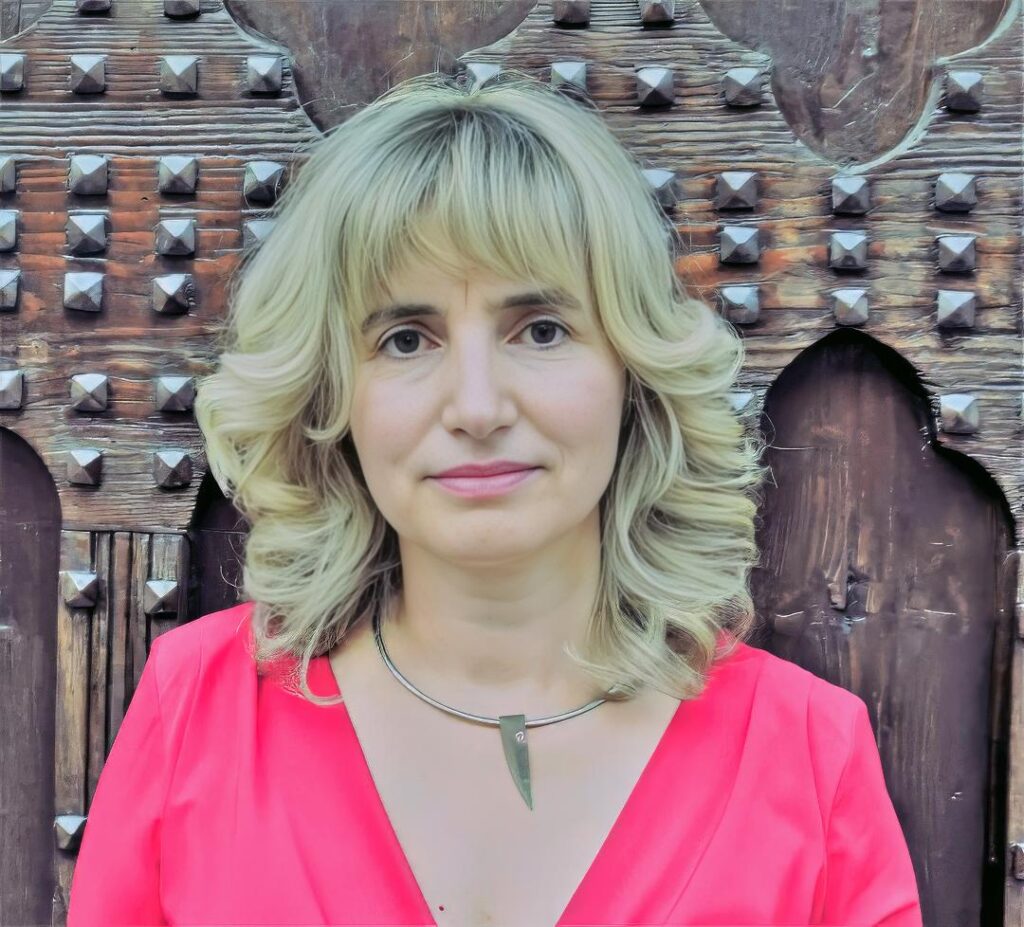
Helen Pletts 海伦·普莱茨 is the English co-translator of Chinese poet Ma Yongbo马永波, her official Chinese translator. She is a committee member of CB1 Poetry, the established monthly poetry reading event in central Cambridge UK, which has organised poetry readings for many years. Her work has been translated into Chinese, Bangla, Greek, Vietnamese, Serbian, Korean, Arabic, Italian, Albanian, Romanian and Spanish.
Helen 海伦 and Ma Yongbo 马永波 are co-creators of the ongoing series of Response Poetry Volumes of the transnational dialogue featured in the ‘Ma Yongbo Poetry Road Trip – Summer Tour 2025’ published by International Times since 10th May 2025.
Helen 海伦 has five shortlistings for the Bridport Poetry Prize (2018, 2019, 2022, 2023, 2024), two longlistings for The Rialto Nature & Place Prize (2018, 2022), a longlisting for the Ginkgo Prize (2019), a longlisting for the National Poetry Competition (2022), 2nd Prize in the Plaza Prose Poetry Competition (2022-23), and a shortlisting for the Plaza Prose Poetry Competition (2023-24).
海伦·普莱茨 Helen Pletts
海伦·普莱茨是中国诗人马永波诗歌的英文合作译者,CB1诗歌协会的委员会成员,这是英国剑桥市中心一项历史悠久的每月诗歌朗诵活动。海伦的作品已被译为汉语、孟加拉语、希腊语、越南语、塞尔维亚语、韩语、阿拉伯语、意大利语、阿尔巴尼亚语和罗马尼亚语。海伦与马永波共同创作了正在进行的“马永波诗歌公路之旅 – 2025 年夏”系列档案,2025年5月10日起由《国际时报》发表。
普莱茨五度入选布里德波特诗歌奖短名单(2018、2019、2022、2023、2024),两度入选《里亚尔托》自然与地方诗歌奖长名单(2018、2022),一次入选银杏生态诗歌奖长名单(2019)、一次入选国家诗歌大赛长名单(2022),获广场散文诗大赛亚军(2022-23)并再度入选该奖项短名单(2023-24)。
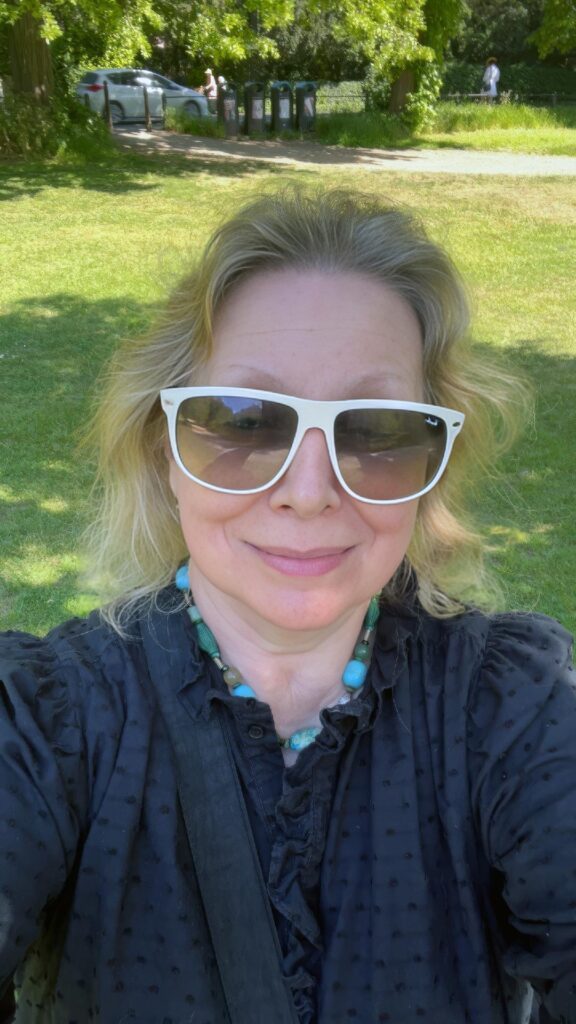
Helen Pletts 海伦·普莱茨, 24th May 2026, Cambridge, Planet Earth, The Universe
Irma Kurti – Albanian poet, writer, lyricist, journalist, and translator, Bergamo, Italy, Planet Earth, The Universe
IRMA KURTI is an Albanian poet, writer, lyricist, journalist, and translator, and has been writing since she was a child. She is a naturalised Italian and lives in Bergamo, Italy. She was awarded the Universum Donna International Prize IX Edition 2013 for Literature and received a lifetime nomination as an Ambassador of Peace by the University of Peace in Switzerland. In 2020, she became the honorary president of WikiPoesia, the Encyclopedia of Poetry. In 2021, she was awarded the title of Liria (Freedom) by the Italian-Albanian community in Italy. In 2023, she was awarded a Career Award from the Universum Academy Switzerland.
Irma Kurti is a member of the jury for several literary competitions in Italy. She is also a translator for the Ithaca Foundation in Spain.
Irma Kurti has published 120 works, including books of poetry, fiction, and translations. Her poems have been translated into 40 languages worldwide. She is one of the most translated and published Albanian poets. Her books have been translated and published in 24 countries.
IRMA KURTI è una poetessa, scrittrice, paroliera, giornalista e traduttrice albanese naturalizzata italiana. Scrive da quando era bambina.
Al pubblico è nota anche come autrice di testi di numerose canzoni di successo, con cui ha partecipato a molteplici festival nazionali di musica leggera in Albania, Kosovo e Macedonia. Ha scritto circa 200 testi di canzoni per adulti e bambini.
Ha vinto più di 100 premi e riconoscimenti in Italia, Svizzera, Grecia, USA, Canada, Filippine, Libano, Cina e Corea. Le è stato conferito il Premio Internazionale “Universum Donna”, IX Edizione 2013, per la Letteratura, e la nomina a vita di “Ambasciatrice di Pace” dall’Università della Pace della Svizzera italiana.
Irma Kurti è traduttrice presso la Fondazione Itaca in Spagna. È membro della giuria di diversi concorsi letterari. Irma Kurti vanta la pubblicazione di oltre 120 opere, tra cui libri di poesie, narrativa e traduzioni. Le sue poesie sono state tradotte in 40 lingue. È una delle poetesse albanesi più tradotte e pubblicate nel mondo. I suoi libri sono stati pubblicati, oltre che in Albania, in 24 paesi del mondo.
MA YONGBO 马永波
Translated into Italian by Irma Kurti for ‘Saturno Magazine’
Le poesie di Ma Yongbo (CINA). A cura di Irma Kurti
https://www.saturnomagazine.com/dettagli-articolo.php?id=1205
18th January 2026
MA YONGBO è nato nel 1964: è dottore di ricerca, rappresentante della poesia d’avanguardia cinese e uno dei principali studiosi della poesia anglo-americana. È il fondatore della scrittura polifonica e della poetica oggettivata. È anche il primo traduttore a introdurre la poesia postmoderna britannica e americana in cinese, contribuendo a colmare le lacune; le varie scuole di poesia postmoderna in Cina sono per lo più guidate dalla sua poetica e dalle sue traduzioni.
Dal 1986 ha pubblicato oltre ottanta opere originali e traduzioni, tra cui 9 raccolte di poesie. Si è concentrato sulla traduzione e sull’insegnamento di poesia e prosa anglo-americana, tra cui le opere di Dickinson, Whitman, Stevens, Pound, Amy Lowell, Williams, Ashbery e Rosanna Warren. Ha pubblicato una traduzione completa di Moby Dick, che ha venduto oltre 600.000 copie. Insegna presso l’Università di Scienza e Tecnologia di Nanchino. La raccolta di poesie di Ma Yongbo (quattro volumi, Eastern Publishing Centre, 2024), composta da 1178 poesie, celebra 40 anni di attività poetica.
QUALCUNO MI AMA
有人在爱着我
SOMEONE LOVES ME
Ci sono momenti in cui improvvisamente mi rendo conto
che qualcuno mi ama, lontano e senza nome.
Non so in quale città si trovi,
non so quale lingua parli,
non conosco il suo nome, né la sua età,
ma so che là fuori qualcuno mi ama.
Quando il respiro mi sfiora la guancia come un capello,
mi sembra che mi sussurri che non sono solo.
Quando le strade in pendenza sono deserte e silenziose,
il pomeriggio getta un mazzo di fiori selvatici bianchi nelle finestre profonde.
Quando la brezza dissipa la nebbia, rivelando un bagliore soffuso dietro di essa,
è come se un tempo avessi amato qualcuno,
ma non riuscissi a ricordare il suo nome o il suo volto.
TRADUZIONE A CURA DI IRMA KURTI 18th January 2026
SOMEONE LOVES ME
有人在爱着我
QUALCUNO MI AMA
There are moments when I suddenly realise
someone loves me, distant and nameless
I don’t know which city she’s in,
don’t know what language she speaks,
don’t know her name, or even her age,
but I do know, someone out there loves me.
When breath brushes my cheek like hair
it seems to whisper to me that I’m not alone.
When the tilted streets are deserted and silent,
the afternoon tosses a bunch of white wildflowers into deep windows.
When the breeze disperses the mist, revealing a soft glow behind,
it’s as if I once loved someone,
but fail to remember her name or her face.
by Ma Yongbo 马永波
Translated from Chinese into English by Ma Yongbo 马永波 and Helen Pletts 海伦·普莱茨
Translated from English into Italian by Irma Kurti
有人在爱着我
Someone Loves Me
QUALCUNO MI AMA
有些时刻,我会突然察觉
有人在爱着我,遥远而无名
我不知道她在哪个城市
不知道她说着什么样的语言
不知道她的名字,甚至年纪
可我就是知道,有人在爱着我
当呼吸像发丝拂过我的脸颊
仿佛在向我低语,我并非孤身一人
当倾斜的街道,无人而寂静
下午将一束白色的野花抛进深深的窗口
当微风吹散迷雾,露出后面的柔光
仿佛我曾经爱过一个人
却怎么也想不起她的名字和模样
马永波
HELEN PLETTS 海伦·普莱茨
Translated into Italian by Irma Kurti for ‘Saturno Magazine’
Le poesie di Helen Pletts (UK). A cura di Irma Kurti
LINK4 https://www.saturnomagazine.com/dettagli-articolo.php?id=1204
18th January 2026
HELEN PLETTS è una poetessa pluripremiata residente nel Regno Unito e co-traduttrice del poeta Ma Yongbo in inglese. Le sue opere sono apparse su International Times, Vox Populi, Ink Sweat and Tears, Open Shutter Press, Aesthetica, Orbis e The Fenland Reed. Molte delle sue poesie sono state illustrate dall’artista grafico Romit Berger.
IO SONO IL MATTINO, TU SEI LA NOTTE
I AM MORNING, YOU ARE NIGHT—for Ma Yongbo,
我是黎明,你是夜晚 海伦·普莱茨 ——赠马永波,
Io sono il mattino, tu sei la notte.
Il crepuscolo e l’alba,
Tracciati tra noi, i contorni sfumati
Di un non iniziare, né finire mai;
La lunga conversazione
Si chiude prima ancora di aprirsi.
Atterrare è impossibile.
Non c’è posto dove riposare i nostri piedi,
Mentre noi scompaiono,
L’altro si avvicina.
Noi non lo siamo, l’altro sì.
Il confine del mondo
È la vista speculare di una finestra,
da entrambi i lati.
E il punto di appoggio è dove
Il vetro deve frantumarci,
E tutto ciò che siamo.
TRADUZIONE A CURA DI IRMA KURTI 18th January 2026
I AM MORNING, YOU ARE NIGHT—for Ma Yongbo,
我是黎明,你是夜晚 海伦·普莱茨 ——赠马永波,
IO SONO IL MATTINO, TU SEI LA NOTTE
I am morning, you are night
The twilight and early dawn,
Drawn between us, the softer edges
Of never starting, nor ending;
The extended conversation
Shuts before it opens.
Land is impossible
There is nowhere to rest our feet,
As we disappear,
The other approaches
As we are not, the other is.
The edge of the world
Is the glass mirror view of a window,
Seen from either side.
And the leaning point is where
The glass must shatter us,
And all we are.
By Helen Pletts 海伦·普莱茨
Translated from English into Chinese by Ma Yongbo 马永波
Translated from English into Italian by Irma Kurti
我是黎明,你是夜晚 海伦·普莱茨 ——赠马永波
i am morning, you are night—for Ma Yongbo
IO SONO IL MATTINO, TU SEI LA NOTTE
我是黎明,你是夜晚
薄暮和拂晓,
在我们中间画出,更为柔和的边界
永无开始,也无尽头;
绵长的对话
未及开启,已然闭合。
着陆是不可能的
我们没有地方停歇,
当我们消失,
对方就会靠近
当我们缺席,对方就会存在。
世界的边缘
是窗玻璃的镜像,
无论从哪一侧观看。
而倾靠的临界点
玻璃必定将我们打碎,
连同所有的一切
2025 年 1 月 31 日海伦·普莱茨
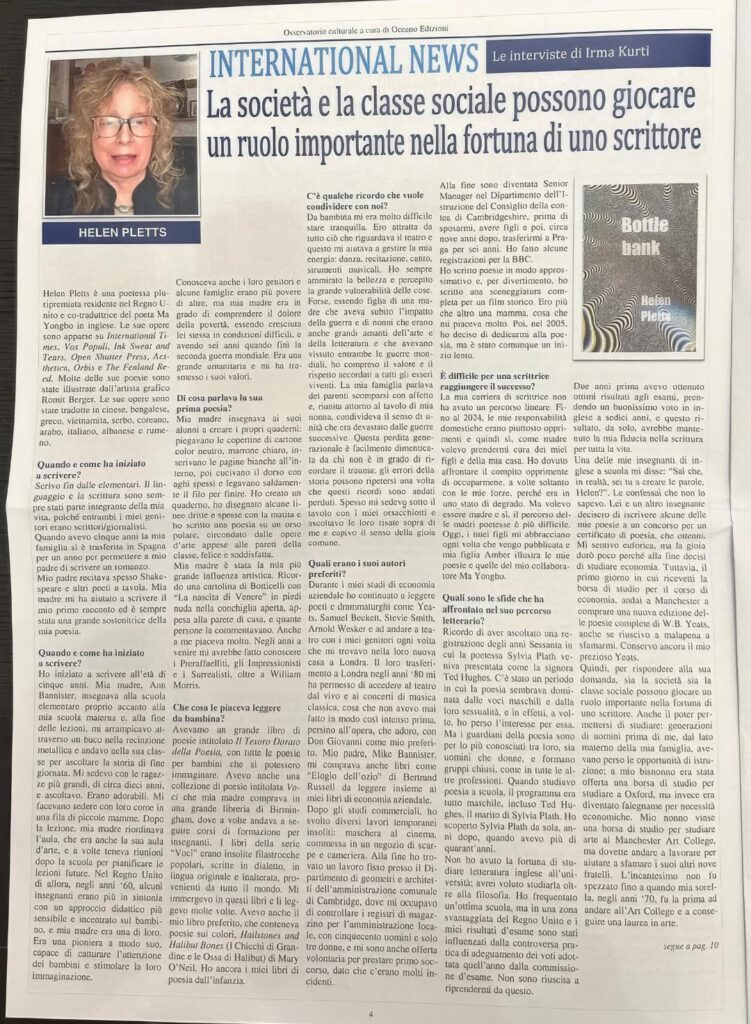
“Dear Helen, here is the first part of your interview in the print edition of ‘Oceano News Magazine’, distributed in Italy. Congratulations !” Irma Kurti, 13th March 2026
—Irma Kurti interviews Helen Pletts for Italian magazine ‘Oceano News Magazine’ —Part One of a two part interview:
https://www.oceanonellanima.it/oceano/blogocn/blog_post.php?id=1154
https://mp.weixin.qq.com/s/67htoGQmp6PUUgoYcTE-SA
Chinese LINK: of Italian interview of Helen Pletts by Irma Kurti, for ‘Oceano News Magazine’, in Chinese translation by Ma Yongbo 马永波
https://mp.weixin.qq.com/s/67htoGQmp6PUUgoYcTE-SA
An interview with Helen Pletts by Irma Kurti
Society and class can play a large part in a writer’s fortune
When and how did you start writing?
I started writing at the age of 5. My mother, Ann Bannister, taught at the Primary School right next to my Infant School, and I used to climb through a hole in the wire fence at the end of my classes and go and join her class for their end-of-day story. I would sit with the older girls, about 10 years old, and listen with them. They were lovely, they arranged for me to sit with them like a row of little mothers. Afterwards, my mother would then tidy the room, which was also her Art Room, and sometimes have after-school meetings too, to plan future lessons. In the UK at that time, the 1960’s, some teachers were more in tune with teaching with a more child-centred, sensitive approach, and my mother was one of them. She was a pioneer in her own way, always having the ability to catch children’s attention and fire their imagination. She would get to know their parents too, and some families were poorer than others and my mother was capable of realising the pain of poverty, having grown up in stretched circumstances herself, being age 6 when the Second World War ended. She was a great humanitarian, and her values were handed to me.
Do you remember what your first poem was about?
My mother taught her pupils to make their own exercise books; bending the neutral coloured, pale brown, cardboard covers, placing blank pages inside, and then sewing the spines with thick needles and tying the thread tightly to finish. I made a book and drew some thick, straight pencil lines and wrote a poem about a polar bear, surrounded by the art on the classroom walls, happy and contented.
My mother was my greatest influence artistically. I remember a Botticelli postcard of ‘The Birth of Venus’ standing naked in the open shell on the wall at home, and how many people commented on it; I also loved it very much. In years to come, she would introduce me to the Pre-Raphaelites, the Impressionists, the Surrealists, and William Morris.
What did you like to read as a child?
We had a large poetry book called ‘The Golden Treasury of Poetry’ which had every children’s poem you could think of. I also had collections of poetry called ‘Voices’ which my mother would buy from a large bookshop in Birmingham, where she sometimes went for teacher training courses. The ‘Voices’ books were unusual collections of popular rhymes actually written in dialects, original, unaltered language, originating from all over the world. I used to pour over these books and read them many times. I also had my most favourite book, which contained poems just about colours, ‘Hailstones and Halibut Bones’ by Mary O’Neil. I still have my childhood poetry books.
Is there any memory you would like to share with us?
I am particularly energetic and lively, so as a child, keeping quiet was very hard for me. I was drawn to be involved in anything theatrical, and this helped me to manage my energy, too: dance, drama, singing, and playing musical instruments. I have always admired beauty and felt the great vulnerability of things. Maybe being a child of a mother who had felt the impact of war, and whose grandparents, who were also great lovers of art and literature and who had lived through both world wars, I understood the value and respect that must be afforded to all living things. My family would talk about the missing family with fond memories and gathered around my grandmother’s table they shared the sense of unity that had been ravaged by successive wars. This generational loss is easily forgotten by those unable to remember the trauma; the mistakes of history can easily repeat themselves once these memories are lost. I would sit beneath the table with my teddy bears and listen to their laughter above me and understand the feeling of communal joy.
Who were some of your favourite authors?
During my time as a Business Studies student, I continued to read poets and playwrights like Yeats, Samuel Beckett, Stevie Smith, Arnold Wesker, and to see live theatre with my parents every time I visited them in their new home in London. Their move to London in the 1980’s gave me access to live theatre and classical concerts, which I had never had in quite such an intensive way before, even opera, which I also love, Don Giovanni being my most favourite. My father, Mike Bannister, would also buy me books like ‘In Praise of Idleness’ by Bertrand Russell to read alongside my Business Studies coursework.
After Business Studies, I went to work in various strange temporary roles: cinema usherette, shoe shop, waitress, during years of high unemployment figures. I finally landed a permanent job with Cambridge City Council’s Local Authority Surveyors and Architects Department, where I monitored the yard stock records for the Local Authority, with 500 men and only 3 other women, and I also volunteered to do first aid, and there were many accidents. I would eventually become a Senior Manager in the Education Department for Cambridgeshire County Council, before getting married, having children, and then about 9 years later, moving to live in Prague for 6 years. I did a small amount of recording for the BBC. I wrote poetry sketchily, and for my own amusement, I wrote a full-length screenplay for period drama. I was a more of a mum which I also enjoyed. Then, in 2005, I decided to try to start writing poetry more seriously, but it was still a slow start.
Is it difficult for a female writer to achieve success?
My writing career has no sustained trajectory. Ma Yongbo inspires me daily, and I felt a profound shift in my understanding of my own capability upon starting to work closely with him. Up until 2024, my domestic influences had been quite overwhelming and so yes, as a mother I wanted to care for my children and my home. I faced an overwhelming task of caring and maintaining a home, sometimes with my own bare hands, because it was in a state of disrepair. But I wanted to be a mother and yes, the journey of mother poets is harder but my children hug me every time I am published and my daughter, Amber, illustrates the response poetry of myself and Ma Yongbo.
What are some challenges that you have faced in your literary path?
I remember listening to a recording, made in the sixties, of the poet Sylvia Plath being introduced to read as Mrs Ted Hughes. There was a period in poetry where it seemed to be dominated by male voices and their sexuality too, and indeed, I lost interest in poetry at times. But the gatekeepers of poetry are largely all known to each other, both male and female, forming cliques like all other professions. When I studied poetry at school, the syllabus was all male, including Ted Hughes, Sylvia Plath’s husband. I found Sylvia Plath by myself, years later, when I was over forty years old.
I was not fortunate to study English literature at University, I had wanted to study this besides philosophy. I was educated in a very good school but in a deprived area of the UK and my exam results were affected by the controversial practice of grade adjusting that year by the examining board. I was unable to recover from this. I had done significantly well, in exams two years earlier, gaining an A in English language at 16, and this achievement alone was to hold my confidence in writing lifelong.
One of my English teachers at the school said, “Do you know that you actually create words Helen?” I confessed that I did not. She and another teacher decided to enter some of my poetry in a category for a poetry certificate, I gained this but not everyone in the class who entered did. I felt elated, but it was short lived because I ended up going on to study Business Studies instead. But on the first day I received my Business Studies course grant I went into Manchester to buy a new edition of the complete poetry of W.B.Yeats, even though I was hardly able to feed myself; I would always skip lunch, just smoke instead. I still have my treasured Yeats.
So I think the answer to your question, for me, is society, class, can play a large part in a writer’s fortune. Also being able to afford to study—generations of men before me, on my mother’s side of the family, had lost out on educational opportunities, my great-grandfather had been offered a scholarship to go to study at Oxford, but became a carpenter instead through material need. My grandfather won a scholarship to study Art at Manchester Art College but had to go out to work to help feed his nine other siblings. The spell was not broken until my sister, in the 1970’s, was the first to go to Art College and gain an Art Degree.
Can you mention some of your publications and participation in various literary competitions?
From 2007, one of the first online UK poetry magazines Ink Sweat and Tears started to publish my poetry, selected by the founding Editor Charles Christian, who was a great encouragement to me and he even kindly referred to me as one of their ‘big finds’. The first poem they published of mine was entitled ‘Bottle bank’ which had been longlisted for The Bridport Prize (2006).
I was fortunate to have two early collections of poetry published—Bottle bank (2008, ISBN 978-1-84923-119-0) and For the chiding dove (2009, ISBN 978-1-84923-485-6), containing a total of 45 poems, published by YWO/Legend Press (supported by The Arts Council).
Having moved back to the UK in 2010, to live in Cambridge, I was able, by chance and special permission, to attend some poetry seminars at Trinity College, Cambridge University led by the American poet Peter Gizzi, who was the Poetry Fellow of the Judith E Wilson Poetry Fellowship for the academic year 2010-2011. He was very encouraging, suggesting that I also try writing something new; prose poetry. I took up his advice. My first ever prose poem, actually written for one of Peter Gizzi’s seminars, ‘The plane tree entertains the circus of doves’ was illustrated by Romit Berger and Voted PICK OF THE MONTH, March 2019, when it was first published on Ink Sweat and Tears.
What role did your parents play in your literary career?
I was encouraged to keep writing poetry by my father Mike Bannister, who also writes poetry and made poetry his primary focus after taking early retirement in the 1990’s from his role as a Head Teacher. His poems have appeared in The London Magazine, Envoi, Other Poetry, Brittle Star, The Interpreters House, Long Poem Magazine and a number of anthologies. His poem ‘Satin Moth’ appears in Best British Poetry 2011 (Salt Poetry).
He was Chair of the Suffolk Poetry Society from 1997-2002. He was awarded the George Crabbe Memorial Prize in 2009 for ‘The Second Scrivener’. He was Chair and Convenor of ‘Cafe Poets’ in Halesworth, Suffolk: a platform and a listening-post for working poets across Norfolk and Suffolk. In 1992, his poem A Fourth Warming was short-listed for the Housman Society’s Poetry Prize. He has six poetry collections.
I enjoyed both my parents’ artistic influences, but we did not have a great deal of spare time or income, and so it is amazing when I realise that early immersion in art and creativity was very fortunate. My parents were both hardworking teachers, in Bridgnorth, Telford, London, Bradford, my relationship to both of them was influenced by both poetry and art. As and artist herself, my mother had a great love of vibrant colour, in her choice of furnishings in all the houses we/they lived in, the selection of colourful plants in all her gardens, which she lovingly tended to. My father’s books took over the living rooms of every house we/they lived in, books on every poet you can think of. He loves Moby Dick by Herman Melville—Yongbo’s own translation of Moby Dick has sold over 600,000 copies.
Was there anyone who had a major influence on your literary career?
For many years, I had been published only twice yearly by Ink Sweat and Tears, who were largely my only publishers and still hold all my published work with them in their archive. They had showcased all my illustrated poetry with Romit Berger, under the category ‘Word & Image’. My preoccupation with my collaboration with Romit Berger to illustrate my poetry brought great joy to us both but during those years my children were very ill and Romit’s own family life was changing irreversibly too. From 2010 to 2022, we created beauty, all the while surrounded by worry and heartache, which culminated in our beautiful limited edition hardback art/poetry book ‘Your Eye Protects the Soft-toed Snowdrop’, a collection of 11 years of Word and Image by Helen Pletts and Romit Berger (2022,ISBN 978-9-657-68177-0).
After 2022, Romit, who is still my dearest friend, became otherwise engaged. Her great contribution to my poetry is still a joy to me and her willingness to engage with my poetry and my ideas meant giving herself over entirely to my striving to see the exact complimentary image on the page, which was sometimes very taxing to create. At other times her first spontaneous graphic creation was unbelievably accurate. She is a most talented artist, receptive to nuance and highly brilliant in her grasp of my imagery.
You are a co-translator of some works of the Chinese poet and professor Ma Yongbo. How did your collaboration begin?
Realistically, I did not truly see myself as a writer until 2024, when Ma Yongbo first complimented me on my poetry. His standing as an academic meant a great deal to me, and he pointed out that by then I had accumulated many shortlistings, longlistings in prestigious poetry competitions. That same year I found out that my eco-poetry had also been consistently used as a teaching example in over 60 workshops.
After two difficult years of trying to live with the grief over the loss of my mother, made more difficult without any ongoing collaboration, I came across Ma Yongbo’s poetry in translation by Deborah Bogen on Vox Populi
https://voxpopulisphere.wordpress.com/2024/02/12/deborah-bogen-three-poems-by-yongbo-ma/
and I left an encouraging comment in the comments section. I was so uncertain that Ma Yongbo was actually the Chinese poet whose work was presented in translation that I had to ask the Editor, Michael Simms, for confirmation—the only Chinese poets that I had ever read were long dead, for example, the Ancient Chinese poet, Jia Dao, whom my father had introduced me to; I referred to him in my comment.
I had a strange over-confidence once I understood that the poetry was in translation. I wanted to try to understand it better in Chinese, which may sound pompous even but I wanted to have a go myself. I made a few suggestions to Ma Yongbo and he was patient enough to let me have a go. He had only 12 poems translated into English at that time and once he told me that his dream was to be widely translated into English and published more widely in America, I thought I should help him.
It took me over seven days to produce anything readable and back then it was rather a combination of our two poetic voices because I had not learned how to withdraw my own poetic voice in order to find his. His patience was unimaginable. But it held. He took a photograph of his inbox one day and sent it to me by email, I had filled up his entire screen listing with translation attempts because I was serious about obtaining these skills. I cannot really explain why.
Has learning a foreign language proved to be a difficult challenge?
First, I learned that there are no capital letters in Chinese, then curiously that Chinese sentence structures are often reversed compared to English. I was reminded of my own language creation skills as a pupil, and even in my poetry today there are my own odd compound words. I am at home in language and it does not really matter which one. I have edited translations of Vietnamese and Bengali for other poets, getting my versions checked as best I could. I realise that several things encouraged me, Ma Yongbo’s inimitable patience and my own delight in exploring something new within my own current love of language. In Prague, mixing in the expat community through my children’s school held me back from any real thorough experience of the Czech language, and again I was a busy mum. Now I had time to devote to exploring Chinese.
Sadly, because my mother had passed away from Covid in January 2021, I was completely bereft. I spiralled and even Kate Birch, now the lovely Editor at Ink Sweat and Tears feared that I would stop writing. My last few months with my mother were spent in lockdown in 2020 and the horror of this had created my severe PTSD tinnitus. So when Ma Yongbo started writing to me I could no-longer hear the rest of the world clearly and so his sudden company was invaluable.
Ma Yongbo had lost his brother, Ma Yongping, to a sudden cerebral haemorrhage in January 2020. His brother has illuminated his life too, very much like my mother, and he still wanted to talk about it, like I did, long after others thought that we should be over our grief, ‘let’s write ourselves out of grief’ he suggested, but I was not really writing, so I focused on his poetry in translation and I was lifted out of myself.
Is discovering a new poetic voice like discovering a whole new world?
It was so difficult to find his poetic voice, and in the course of learning translation, he coached me with tips, and yet he did not add his praise for about six months because I simply was not good enough. I finally uncovered his own poetic voice very strongly in his poem ‘Somebody loves me’ and it was so clear and so unusual that I now continue to hear it again and again. He wrote this to me on the 14th October 2024: “You have an excellent talent for poetry, but you may have been busy dealing with things in your life in the past few years and did not have the conditions to focus on poetry. Despite this, you have achieved great success, with several poetry collections published, a long list of shortlists and awards. I know this is not easy. Now, without knowing Chinese, you are revising my poems that are not so easy to understand. This is simply not something that ordinary people can do. You should be proud”.
He sounded like my mother talking to me, framing my life with praise and I felt profoundly acknowledged. Since12th February 2024, when we first started writing to each other, Ma Yongbo has translated over 500 of my songs, we call our poems songs, most of them are written to him as my first reader, or directly to him as my response poetry partner.
Exploring his poetry through translation led me to begin to start to understand his complex mind and his character, which are fascinating.
The last two years have been my most prolific period of writing and Ma Yongbo is now a significant presence in my daily life. We underpin each other successfully and his energy and output is significantly higher than mine so his many translation projects are running beside our own response poetry but he has always been this productive. He completed over 1800 poems over 40 years while still working full time and mostly without sufficient support and encouragement. His completed works comprise four volumes.
Ma Yongbo is an excellent teacher, and he has such a vast understanding of poetry written in the English language that even though I have had a more limited exposure to other poet’s work he recognised my own ability and his sufficient praise was enough of a spark to have the desired affect. He is now essential to my feelings of connectedness to language. I have been studying Chinese since October 2024, and I enjoy it, although my pronunciation is often not quite as accurate as I would like it to be. His grandson studies English, and he can write my name in English too.
Should poets submit poems to international journals and magazines?
Yes, I think this is most important. I had confined myself to submitting my own poetry to English poetry magazines, even though all the poetry competitions that I have been longlisted and shortlisted have an international context and subsequently 1000’s of entries. I have always felt a global sense of identity, and living for seven years in Europe allowed me to meet expats who were themselves looking outwards across the whole of the earth.
The benefits of creative transnational connections are endless; they create a continuous dialogue, and although that is still mostly happening in English, the remaindered tail of imperialism, it is exciting to see the original languages besides the English translation.
We are all naturally curious, and it is only natural to find ourselves drawn to other poets in other countries, and to hear their voices closely and be held closer. There is a peaceful, benevolent experience to encounter here. I would have missed all this without Ma Yongbo’s example of continually reaching outwards and translating global poetry. The wider transnational experience of writing is life-changing. Seeing my poetry written in ten different languages gives me a great sense of joy and connectedness to other poets that I have also come to cherish as dearest friends, and I always feel honoured to think that because of my friends’ hard work, my own love of language might be equally enjoyed by new readers across the world.
What projects are you working on now?
On the 12th February, 2024, Ma Yongbo and I, subconsciously began a lifelong transnational poetry project. I say subconsciously because we started to become friends long before I had achieved a satisfactory level of translation ability. Ma Yongbo and I are the joint creators of the Volumes of the ongoing ‘Ma Yongbo Poetry Road Trip – Summer Tour 2025’, for International Times.IT
https://internationaltimes.it/?s=ma+yongbo+and+helen+pletts
Our first bilingual book ‘Night Shining-White’ is also due out this year with Open Shutter Press, whose Editor is Pete Taylor.
I have also recently assumed my new role as a Committee Member for CB1 Poetry, alongside Angus Allman, Trish Harewood and Lindsay Fursland. This is the monthly poetry reading event in central Cambridge, UK, which has organised poetry readings for many years. CB1 features up-and-coming writers as well as well-known poetry names.
I am also recording English audio files of poetry written by many other international poets so that they may be turned into poetry podcasts by Najam Uddin Ahmad and shared across the world.
In your experience, can poets collaborate without feeling competitive or in rivalry? Do you think that writing has the power to change our lives?
I don’t see myself as a natural competitor on a daily basis. I enter competitions to see if my work is appreciated, or any good, because any award would I hope, validate my efforts. Ma Yongbo and I are always thanking each other every time one of us helps the other. We seem to do this naturally; we have great respect for each other. But we also have respect for others naturally too, so it may be that there are some pairings which are well balanced and ours might be coincidentally just that. It is very hard to say why it works so well, so we have considered the unfathomable might as well just be attributed to fate.
Writing has a power to sustain us through the darkest times and connect us to everyone who looks up hopefully each day wanting more humanity, more love, and more understanding.
I have one happier and life-changing piece of news to share with you, in relation to poetry. After working intensively, but also most enjoyably, with Ma Yongbo on Chinese translation for several months, I woke up one morning to hear a very different sound. At first, I could not even work out what it was. Then I realised that it was birdsong, the early morning chorus, clearly audible through the glass windowpane; my PTSD tinnitus, which had dominated my life for over two years, had gone.
BIOGRAPHY of Interviewer
IRMA KURTI is an Albanian poet, writer, lyricist, journalist, and translator, and has been writing since she was a child. She is a naturalised Italian and lives in Bergamo, Italy. All her books are dedicated to the memory of her beloved parents, Hasan Kurti and Sherife Mezini, who have supported and encouraged every step of her literary path.
She is also known to the public as the songwriter of numerous hit songs, which have been performed at numerous national and pop music festivals in Albania, Kosovo, and Macedonia. She has written around 200 song lyrics for both adults and children.
Kurti has won more than 100 awards and recognitions in Italy, Switzerland, the USA, Canada, the Philippines, Lebanon, China, and Greece. She was awarded the Universum Donna International Prize IX Edition 2013 for Literature and received a lifetime nomination as an Ambassador of Peace by the University of Peace in Switzerland. In 2020, she became the honorary president of WikiPoesia, the poetry encyclopedia. In 2021, she was awarded the title of Liria (Freedom) by the Italian-Albanian community in Italy.
Irma Kurti is a member of the jury for several literary competitions in Italy. She is also a translator for the Ithaca Foundation in Spain.
Irma Kurti has published 118 works, including books of poetry, fiction, and translations. Her poetry has been translated into 40 languages. She is one of the most translated and published Albanian poets. Her books have been translated and published in 24 countries.
海伦·普莱茨专访——社会与阶层,深刻影响着一位作家的命运
采访者:伊尔玛·库尔蒂
你是何时、如何开始写作的?
我五岁就开始写作了。我母亲安·班尼斯特在我幼儿学校隔壁的小学教书。每天放学,我都会从铁丝网围栏的一个洞里钻过去,去她班上听放学前的故事。我会和那些十来岁大的女孩坐在一起,和她们一同聆听。她们特别温柔,像一排小妈妈一样,特意让我挨着她们。之后,母亲会整理教室——那也是她的美术教室,有时还要开课后会议,规划未来的课程。那是20世纪60年代的英国,有些老师更推崇以儿童为中心、更温柔的教学方式,我母亲就是其中之一。她以自己的方式走在前沿,总能抓住孩子的注意力,点燃他们的想象力。她也会去了解学生的家长。有些家庭格外贫困,而母亲自己在拮据的环境中长大,二战结束时她才六岁,因此她能真切体会贫穷带来的苦楚。她是一位伟大的人道主义者,她的价值观也传给了我。
你还记得第一首诗写的是什么吗?
母亲教学生自己做练习本:把浅棕色的硬纸板折成封面,夹上空白纸页,再用粗针装订书脊,把线系紧。我也做了一本,用铅笔画上粗粗的直线,写了一首关于北极熊的诗。教室里满是画作,我当时快乐又满足。
母亲在艺术上对我影响最深。我记得家里墙上贴着一张波提切利《维纳斯的诞生》明信片,维纳斯赤身站在贝壳之中,很多人都对此有议论,而我非常喜欢。后来,她又带我认识了拉斐尔前派、印象派、超现实主义画家,还有威廉·莫里斯。
你小时候喜欢读什么书?
我们有一本很厚的诗集《诗歌金库》,里面收录了你能想到的所有儿童诗歌。我还有一套叫《声音》的诗集,是母亲去伯明翰参加教师培训时,在一家大书店买的。《声音》这套书很特别,收录的是世界各地用方言写成的原创童谣,保留了最本真、未经修改的语言。我常常翻来覆去地读很多遍。我还有译本喜爱的书,整本都是关于色彩的诗,是玛丽·奥尼尔的《冰雹与比目鱼骨》。我至今还保留着童年的这些诗集。
有没有一段记忆想和我们分享?
我天生精力旺盛、活泼好动,小时候很难安安静静待着。我被一切戏剧相关的事物吸引,这也帮我解决了过剩的精力:舞蹈、戏剧、唱歌、演奏乐器。我一直向往美,也深深体会万物的脆弱。或许因为母亲亲历过战争的影响,我的外祖父母也热爱艺术与文学,经历过两次世界大战,我从小就懂得,要珍视与尊重一切生命。家人会带着温情回忆逝去的亲人,围坐在外祖母的餐桌旁,分享被接连的战争撕裂后依然存在的团结。那些不能记住创伤的人,很容易忘记这一代人的损失;一旦记忆消失,历史的错误便很容易重演。我会抱着泰迪熊坐在桌子底下,听着上方的欢声笑语,懂得什么是共同体的温暖与快乐。
你最喜欢的作家有哪些?
读商科时,我依然在读叶芝、塞缪尔·贝克特、史蒂维·史密斯(Stevie Smith)、阿诺德·韦斯克(Arnold Wesker)等诗人和剧作家的作品。每次去伦敦看望搬了新家的父母,我都会和他们一起看现场戏剧。20世纪80年代他们搬到伦敦,让我有机会密集接触现场戏剧、古典音乐会,甚至还有我热爱的歌剧——《唐·乔瓦尼》是我的最爱。父亲迈克·班尼斯特还会给我买伯特兰·罗素的《闲暇颂》,让我在商科课程之余阅读。
读完商科后,在失业率很高的那些年里,我做过各种临时工作:电影院引座员、鞋店店员、服务员。最后我在剑桥市议会的测量与建筑部门找到了一份固定工作,负责管理市政场地库存记录。整个部门有500名男性,只有包括我在内的3名女性。我还主动做急救志愿者,那里事故频发。后来,我成为剑桥郡教育局的高级经理,之后结婚、生子。大约九年后,我搬到布拉格生活了六年。我为BBC录过少量音频,断断续续写些诗,还为自娱自乐写过一部古装长篇剧本。那段时间,我更多是一位母亲,我也很享受这个身份。2005年,我决定更认真地写诗,但起步依然缓慢。
女性作家取得成功是否更难?
我的写作生涯没有一条持续平稳的轨迹。马永波每天都在激励我,与他密切合作后,我对自身能力的认知发生了深刻转变。直到2024年,家庭事务对我的影响一直非常巨大。作为母亲,我想要照顾孩子、打理家庭。我曾独自面对繁重的家务与照料工作,因为房子年久失修,很多事都要亲力亲为。但我心甘情愿。是的,可以说,母亲诗人的路更难走,但每当我的作品发表,孩子们都会拥抱我。我的女儿安珀,还为我和马永波的唱和诗绘制插画。
你在文学道路上遇到过哪些挑战?
我记得听过一段60年代的录音,诗人西尔维娅·普拉斯被介绍为“泰德·休斯夫人”登台朗读。曾经有一段时期,诗坛似乎被男性声音与男性视角主导,我甚至一度对诗歌失去兴趣。而诗歌圈的“守门人”,无论男女,大多彼此熟识,和其他行业一样形成小圈子。我在学校学诗歌时,教学大纲里全是男性作家,包括普拉斯的丈夫泰德·休斯。直到四十多岁,我才独自发现了西尔维娅·普拉斯。
我没有在大学攻读英国文学的那份幸运——我本想同时学习文学与哲学。我就读的学校很好,但位于英国贫困地区,那年考试委员会有争议的分数调整,影响了我的成绩,我再也没能弥补回来。两年前的考试我成绩优异,16岁就拿到了英语语言A级,这份成绩支撑了我一生的写作自信。
一位英语老师曾对我说:“海伦,你知道你其实是在创造词语吗?”我当时诚实地回答不知道。她和另一位老师把我的几首诗送去参加诗歌比赛,我获奖了,但不是所有参赛同学都能得奖。我欣喜若狂,可这份喜悦很短暂——我最终去读了商科。但拿到商科助学金的第一天,我就去曼彻斯特买了新版的《叶芝诗全集》,哪怕那时我几乎连饭都吃不上,常常不吃午饭,只靠抽烟撑着。这本珍贵的叶芝诗集,我至今珍藏。
所以对我而言,答案是:社会与阶层,深刻影响着一位作家的命运。还有能否负担得起学业——我母系家族中,前几代男性都错失了教育机会:曾祖父拿到了牛津大学的奖学金,却因为生计被迫做了木匠;外祖父拿到了曼彻斯特艺术学院的艺术奖学金,却必须外出工作,养活家里其他九个兄弟姐妹。直到20世纪70年代,我姐姐成为家族中第一个进入艺术学院并拿到艺术学位的人,这个魔咒才被打破。
可以介绍一下你出版的作品和参与文学赛事的经历吗?
2007年起,英国最早的网络诗歌杂志之一《墨汗泪》开始刊登我的诗作,由创刊编辑查尔斯·克里斯蒂安选稿。他给了我极大鼓励,甚至亲切地称我是他们的“重大发现”之一。他们发表的我的第一首诗是《瓶子银行》,这首诗曾入围2006年布里德波特诗歌奖长名单。
我有幸出版了两部早期诗集——《瓶子银行》(2008,ISBN 978-1-84923-119-0),《致训诫之鸽》(2009,ISBN 978-1-84923-485-6),共收录45首诗,由YWO/传奇出版社出版(得到艺术委员会支持)。
2010年我回到英国,定居剑桥。机缘巧合并获得特别许可后,我参加了剑桥大学三一学院的诗歌研讨会,由美国诗人彼得·吉兹主持——他是2010–2011学年朱迪斯·E·威尔逊诗歌研究员。他十分鼓励我,建议我尝试新体裁:散文诗。我听从了他的建议。我的第一首散文诗《悬铃木款待鸽子的马戏团》,正是为他的研讨会所写,由罗米特·伯杰配图,2019年3月在《墨汗泪》首发,并被评为当月精选。
父母在你的文学生涯中扮演了怎样的角色?
父亲迈克·班尼斯特一直鼓励我坚持写诗。他自己也写诗,90年代提前从校长职位退休后,便以诗歌为重心。他的作品发表于《伦敦杂志》《使者》《其他诗歌》《脆星》《翻译者之屋》《长诗杂志》等刊物及多部选集。诗作《缎蛾》入选《2011年英国最佳诗歌》。
1997–2002年,他担任萨福克诗歌协会主席;2009年凭借《第二抄写员》获乔治·克拉布纪念奖;他还是萨福克郡黑尔斯沃思“诗人咖啡馆”的主持人,为诺福克与萨福克地区的专业诗人提供平台与交流空间。1992年,诗作《第四次温暖》入围豪斯曼协会诗歌奖短名单。他共出版六部诗集。
我同时受益于父母双方的艺术熏陶,尽管我们没有太多闲暇与收入。如今回想,早年能沉浸在艺术与创作之中,已是极大幸运。父母都是勤勉的教师,曾在布里奇诺斯、特尔福德、伦敦、布拉德福德等地任教。诗歌与艺术,塑造了我与他们的关系。母亲本身就是艺术家,热爱浓烈鲜艳的色彩,我们/他们住过的每一所房子,她选的家具都色彩明亮;每一座花园,她都种满缤纷的植物,悉心打理。
而父亲的书,占据了我们/他们每一处住所的客厅——你能想到的所有诗人的作品,他都有。他深爱赫尔曼·梅尔维尔的《白鲸》,而马永波翻译的《白鲸》销量已超60万册。
你的文学生涯中,有没有谁对你影响至深?
多年来,我基本只在《墨汗泪》上发表作品,一年两篇,他们至今仍是我唯一的长期发表平台,存档了我所有发表过的作品。他们以“文字与图像”专栏,展示了我和罗米特·伯杰合作的所有配图诗歌。与罗米特合作配图的时光,给我们两人都带来巨大快乐。但那些年里,我的孩子重病缠身,罗米特的家庭生活也发生了无法逆转的改变。2010到2022年,我们在担忧与心痛之中,依然创造着美。最终,我们共同完成了精美限量版精装艺术诗集《你的眼睛守护着软趾雪花莲》——收录了海伦·普莱茨与罗米特·伯杰11年的“文字与图像”作品(2022,ISBN 978-9-657-68177-0)。
2022年后,罗米特有了新的生活重心,她至今仍是我最亲密的朋友。她对我诗歌的巨大贡献,至今仍让我心怀暖意。她愿意全心投入我的诗歌与想法,完全配合我对画面的精准追求,有时创作过程极为辛苦;但有时,她即兴画出的第一稿,就精准得不可思议。她是一位极具天赋的艺术家,能捕捉细微差别,对我的意象理解极为透彻。
你与中国诗人、学者马永波合作翻译作品,这段合作是如何开始的?
说实话,直到2024年马永波首次称赞我的诗歌,我才真正把自己当成一名作家。他的学者身份,让这份肯定对我意义非凡。他还指出,那时我已在多项重量级诗歌比赛中多次入围长名单与短名单。同年我还得知,我的生态诗歌一直被用作六十多场工作坊的教学范例。
在失去母亲的悲痛中度过艰难两年,又缺少任何持续的合作,我的创作变得越发艰难,就在这时,我在《民众之声》网站上读到了德博拉·博根翻译的马永波诗作
https://voxpopulisphere.wordpress.com/2024/02/12/deborah-bogen-three-poems-by-yongbo-ma/),并在评论区留下鼓励的留言。我不太确定这位作者就是那位被翻译的中国诗人,还特意向编辑迈克尔·西姆斯求证——我之前读过的中国诗人,都是古人,比如父亲介绍给我的贾岛,我在评论里也提到了他。
确认是译作后,我莫名生出一股信心。我想试着从中文里更深入地理解诗歌,这听起来或许有些自大,但我真的想试一试。我向马永波提了一些建议,他很有耐心,让我放手尝试。那时他只有12首诗被译成英文。当他告诉我,他的梦想是作品被广泛译成英文、在美国更多发表时,我便觉得我应该帮助他。
我花了七天多,才写出像样的译文。一开始,译文是我们两种诗性声音的混合,因为我还没学会收敛自己的风格,去贴近他的声音。他的耐心难以想象,一直包容着我。有一天,他拍下收件箱的照片发给我——整个屏幕充满了我一次次的翻译尝试,因为我真心想学好这项技能。我也说不清为什么。
学习一门外语对你来说是很大的挑战吗?
我首先了解到,中文没有大写字母;然后惊奇地发现,中文句子结构常常和英语相反。这让我想起自己小时候创造语言的能力,即便到今天,我的诗里也有自己独创的复合词。我对语言本就自在,哪一种都无所谓。我还帮其他诗人编辑过越南语、孟加拉语的译作,并尽可能核对译文。我认识到有几件事激励着我:马永波无可比拟的耐心,以及我在对语言的热爱中探索新事物的欣喜。在布拉格时,我因为孩子的学校混迹于外籍社群,加上忙于照顾家庭,没能真正深入学习捷克语。而现在,我有时间专心探索中文。
遗憾的是,母亲于2021年1月因新冠离世,我陷入极度悲痛,情绪崩溃。连《墨汗泪》现任编辑凯特·伯奇都担心我会放弃写作。2020年封城期间,我陪母亲度过了最后几个月,这段可怕经历让我患上了严重的创伤后耳鸣。所以当马永波开始与我通信时,我几乎听不清外界的声音,他突如其来的陪伴,无比珍贵。
马永波的哥哥马永平2020年1月因突发脑出血去世。哥哥曾照亮他的人生,如同母亲之于我。在旁人觉得我们该走出悲伤很久之后,他依然像我一样,想谈论这份丧失。他提议说:“让我们用写作走出悲伤吧。”那时我几乎写不出东西,于是专注于翻译他的诗,也借此走出了自我的困局。
发现一种新的诗性声音,是否像发现一个完整的新世界?
找到他的诗性声音非常困难。在学习翻译的过程中,他一点点教我技巧,却有将近半年没有夸奖我——因为我确实还不够好。直到我终于在他的诗作《有人在爱着我》里,捕捉到他自己强烈的声音,如此清晰,如此特别,以至于从那以后,我总能一次次听见它。
2024年10月14日,他写信给我:
“你极具诗歌天赋,只是近几年忙于生活琐事,没有条件专注诗歌。即便如此,你依然成就斐然,出版多部诗集,多次入围各类奖项。我知道这来之不易。如今,你在不懂中文的情况下,修改我并不易懂的诗作,这绝非普通人能做到。你应当为此骄傲。”
他的语气,像极了我的母亲,用肯定勾勒我的人生,我感到被深深地认可。
从2024年2月12日我们初次通信至今,马永波已为我翻译了五百多首“歌”——我们把诗称作歌。大部分诗,我都是写给他,以他为第一读者;或是作为回应诗,直接写给他。
通过翻译探索他的诗歌,我开始理解他复杂而迷人的思想与人格。
过去两年是我写作最高产的时期,马永波也成为我日常生活中重要的存在。我们彼此支撑,他的精力与产量远高于我,许多翻译项目与我们的应和诗同步进行,他一直如此高产:四十年间,在全职工作、缺少足够支持与鼓励的情况下,他写下一千八百多首诗,他的《诗歌总集》共计四卷。
马永波是一位出色的教师,对英语诗歌有着广泛的理解。即便我接触其他诗人作品有限,他依然看到了我的能力。他恰到好处的肯定,成为点燃我的火花。如今,他已是我与语言之间重要的联结纽带。我从2024年10月开始学习中文,很喜欢这门语言,只是发音还不够精准。他的孙子在学英语,也能用英文写出我的名字。
诗人应该向国际期刊投稿吗?
应该,我认为这至关重要。我之前只把自己的诗投给英国的诗歌杂志,尽管我入围的所有诗歌比赛都具有国际背景,收到数千份稿件。我一直拥有全球身份认同,在欧洲生活的七年,让我认识了许多放眼整个世界的外籍友人。
跨国创作交流的益处无穷无尽:它带来持续对话,即便交流大多仍以英语——这一帝国遗留的尾巴——进行,但能在英文译本旁看到原文,依然令人激动。
我们全都天生好奇,自然会被其他国家的诗人吸引,贴近倾听他们的声音,彼此靠得更近。这里存在着一种和平、善意的体验。如果没有马永波不断向外拓展、翻译全球诗歌的榜样,我会错失这一切。更广阔的跨国写作经历,改变了我的人生。看到我的诗被译成十种语言,我感到无比喜悦,也与其他诗人紧紧相连——他们如今已是我珍视的挚友。我也深感荣幸:因为朋友们的辛勤努力,我对语言的热爱,也同样能够被世界各地的新读者所分享。
你目前在进行哪些项目?
2024年2月12日,我与马永波在无意间开启了一项终身跨国诗歌计划。说是“无意间”,是因为早在我的翻译能力达到满意水平之前,我们就已是朋友。我们共同为《国际时报》创作了不断发展的项目,《马永波诗歌公路之旅——2025夏》。我们的第一本双语诗集《照夜白》也将于今年由“打开快门”出版社出版,主编为皮特·泰勒。
最近,我还成为了CB1诗歌委员会委员,与安格斯·奥尔曼、翠西·哈伍德、林赛·弗斯兰一同工作。CB1是英国剑桥市中心的月度诗歌朗诵活动,多年来持续举办,既推介新锐作家,也邀请知名诗人。
我还在为多国诗人录制英文诗歌音频,交由纳贾姆·乌丁·艾哈迈德制作成诗歌播客,分享至全世界。
在你看来,诗人之间能否合作而不陷入竞争?写作是否拥有改变人生的力量?
我本身不是一个天性好胜的人。参加比赛,只是想知道自己的作品是否被认可、是否优秀,我希望奖项能证明我的努力。马永波和我,每次得到对方的帮助后都会道谢,我们这么做是很自然的。我们对彼此怀有极大的尊重,也自然地尊重他人。所以,有些搭档可以是平衡契合的,我们或许恰好如此。很难说清为什么合作如此顺畅,我们宁愿把这份不可思议归于缘分。
写作拥有支撑我们度过至暗时刻的力量,也能将我们与每一个心怀希望、追寻更多人性、更多爱与理解的人相连。
关于诗歌,我还有一件幸福、改变人生的事想分享。与马永波专心投入中文翻译的几个月里,有一天清晨醒来,我听到了一种截然不同的声音。一开始我甚至辨认不出那是什么。随后我意识到,那是鸟鸣,是清晨的合唱,清晰地穿过玻璃窗。困扰我两年多的创伤后耳鸣,消失了。
采访者简介
伊尔玛·库尔蒂(IRMA KURTI),阿尔巴尼亚诗人、作家、词作者、记者、翻译家,自幼写作。她已加入意大利国籍,现居意大利贝加莫。她所有作品均献给挚爱的父母哈桑·库尔蒂与谢里费·梅齐尼,父母在她文学道路的每一步都给予支持与鼓励。她也以热门词曲作者身份为人熟知,作品在阿尔巴尼亚、科索沃、北马其顿的众多国家级与流行音乐节上演。她为成人与儿童创作歌词近两百首。
库尔蒂在意大利、瑞士、美国、加拿大、菲律宾、黎巴嫩、中国、希腊等国家斩获百余项奖项与荣誉;2013年获第九届宇宙女性国际文学奖,并被瑞士和平大学终身任命为和平大使;2020年担任诗歌百科全书WikiPoesia荣誉主席;2021年被意大利阿尔巴尼亚社群授予“自由”勋章。
她担任意大利多项文学赛事评委,同时为西班牙伊萨卡基金会担任翻译。
伊尔玛·库尔蒂已出版118部作品,包括诗集、小说与译作。诗歌被译成40种语言,是被翻译与出版最多的阿尔巴尼亚诗人之一,作品已在24个国家翻译出版。
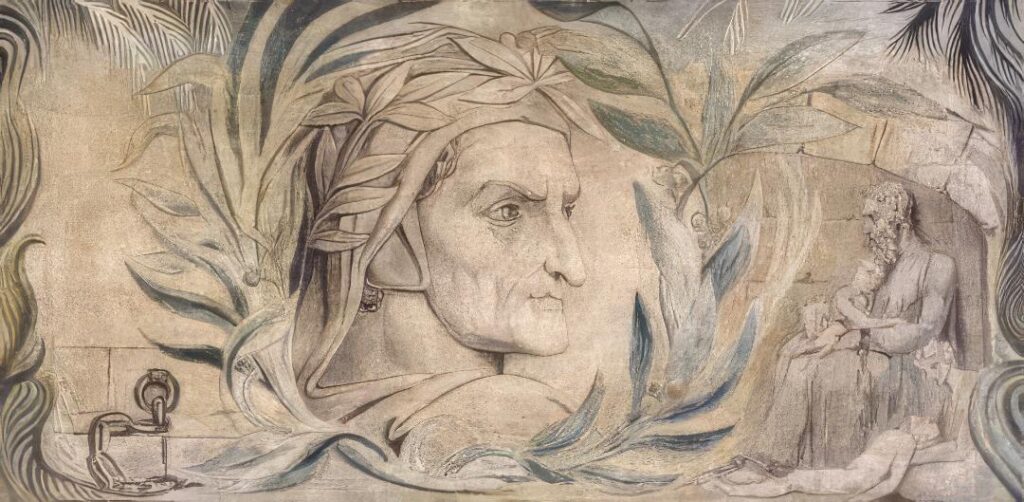
Dante Alighieri 1800–1803, watercolour by William Blake © Manchester City Galleries
All images and poetry under individual copyright © to either Ma Yongbo 马永波 or Irma Kurti or Helen Pletts 海伦·普莱茨
.